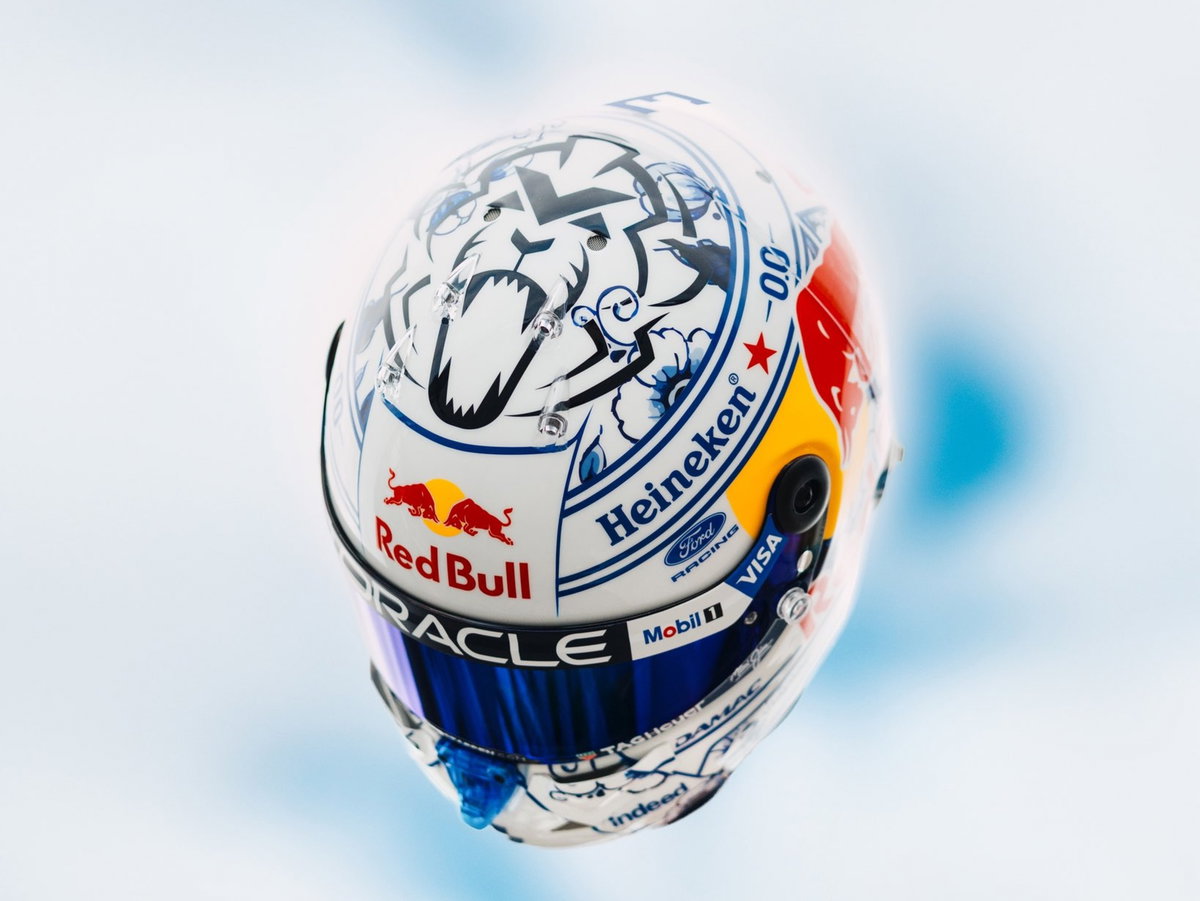
As the Formula 1 circus prepares for its final visit to Zandvoort in 2026, Max Verstappen has pulled the wraps off a one-off helmet design that pays tribute to the circuit and the Dutch fans who have made the event a sea of orange. The Dutch Grand Prix, which returned to the calendar in 2021 after a 36-year absence, will drop off the schedule after this year’s running, and Verstappen’s special lid is a poignant way to mark the occasion.
A tribute to home soil
The helmet, unveiled ahead of the race weekend, features a striking blend of the Dutch national colors—orange, white, and blue—interwoven with subtle nods to the track’s iconic banking and the passionate crowd that lines the dunes. While Verstappen has not detailed every element, the design is clearly crafted to resonate with the home supporters who have cheered him on since his debut at the circuit in the junior categories.
For Verstappen, Zandvoort holds a special place in his heart. It was where he first showcased his prodigious talent in front of his home crowd, and where he has since claimed multiple victories in the modern era. The 2026 race will be his last chance to stand on the top step at a venue that has become synonymous with his success.
Why this matters
The departure of Zandvoort from the calendar is a significant moment for Formula 1. The circuit, with its undulating layout and banked corners, has been a favorite among drivers and fans alike. Its removal, part of a rotating schedule that sees new venues like Madrid and other international destinations come on board, marks the end of an era for Dutch motorsport.
Verstappen’s helmet is more than just a piece of racing equipment; it is a symbol of the bond between a driver and his home turf. In an era where drivers often change teams and move between countries, Verstappen’s loyalty to the Dutch Grand Prix has been unwavering. The special design is a way for him to say thank you to the thousands of fans who have traveled to the North Sea coast every year to support him.
The bigger picture
While Verstappen’s focus will be on delivering a strong performance in front of his home crowd, the weekend will also be a celebration of the circuit’s history. From its early days as a venue for the Dutch Grand Prix in the 1950s to its modern resurrection, Zandvoort has always been a challenging and rewarding track. The 2026 race will be the last time the current generation of drivers tackle its sweeping curves.
For Verstappen, the helmet is a personal memento, but it also serves as a reminder of the changing landscape of Formula 1. As the sport expands into new markets, traditional European races are being squeezed. The loss of Zandvoort is a blow to purists, but it also opens the door for new opportunities.
A lasting legacy
Verstappen’s career has been intertwined with Zandvoort’s resurgence. His success at the track has helped elevate the Dutch Grand Prix to one of the most anticipated events on the calendar. The special helmet is a fitting tribute to that legacy, and it will undoubtedly be a collector’s item for fans.
As the lights go out on Sunday, Verstappen will be aiming to add another victory to his tally at a circuit that has been good to him. But win or lose, the 2026 Dutch Grand Prix will be remembered as a farewell to a beloved venue, and Verstappen’s helmet will be a lasting image of that emotional weekend.
In a sport that is constantly evolving, it’s moments like these that remind us why we love racing. The passion, the dedication, and the connection between a driver and his home crowd are what make Formula 1 special. Max Verstappen’s special helmet is a small but powerful symbol of that bond.