As the 2026 Formula 1 season reaches its midpoint, the championship battle among the top four teams is tighter than ever. Mercedes, McLaren, Ferrari, and Red Bull have all shown race-winning pace, and the development war is set to define the outcome. But a fresh twist has emerged: an extra $6 million in cost-cap allowance that each team can spend over the next three years. How they deploy this windfall could be the difference between lifting the trophy and going home empty-handed.
The extra funding stems from rule changes designed to fix problems with the 2026 power unit regulations. To address concerns about energy recovery and fuel consumption, the FIA and teams agreed to shift the power split from 50/50 to 60/40 in favour of the internal combustion engine by 2028. This requires higher fuel flow rates, which in turn mean larger fuel tanks. For teams planning to carry over their 2026 chassis into 2027 to save money, that posed a problem: their existing tanks might not be big enough to complete a race distance.
To ease the transition, two concessions were made. First, the FIA may shorten races by up to four laps in 2027 and limit reconnaissance laps to help cars with smaller tanks. Second, teams were granted an extra $3 million in development spending for 2026 and 2027, plus another $3 million for 2027 and 2028. That’s the $6 million pot now on the table.
The key question is how to split the money across the three seasons. Teams can spend aggressively now to boost their 2026 title hopes, or save it for 2027 and 2028, when new chassis and power unit integration could require significant investment. McLaren team principal Andrea Stella warned that burning through the cash early could leave teams exposed if unexpected changes are needed later. “We wanted to leave enough overhead in our budget prediction such that we were in condition to spend money on upgrading the car,” he said, adding that McLaren aims to add another half a second of performance before season’s end to stay in the fight.
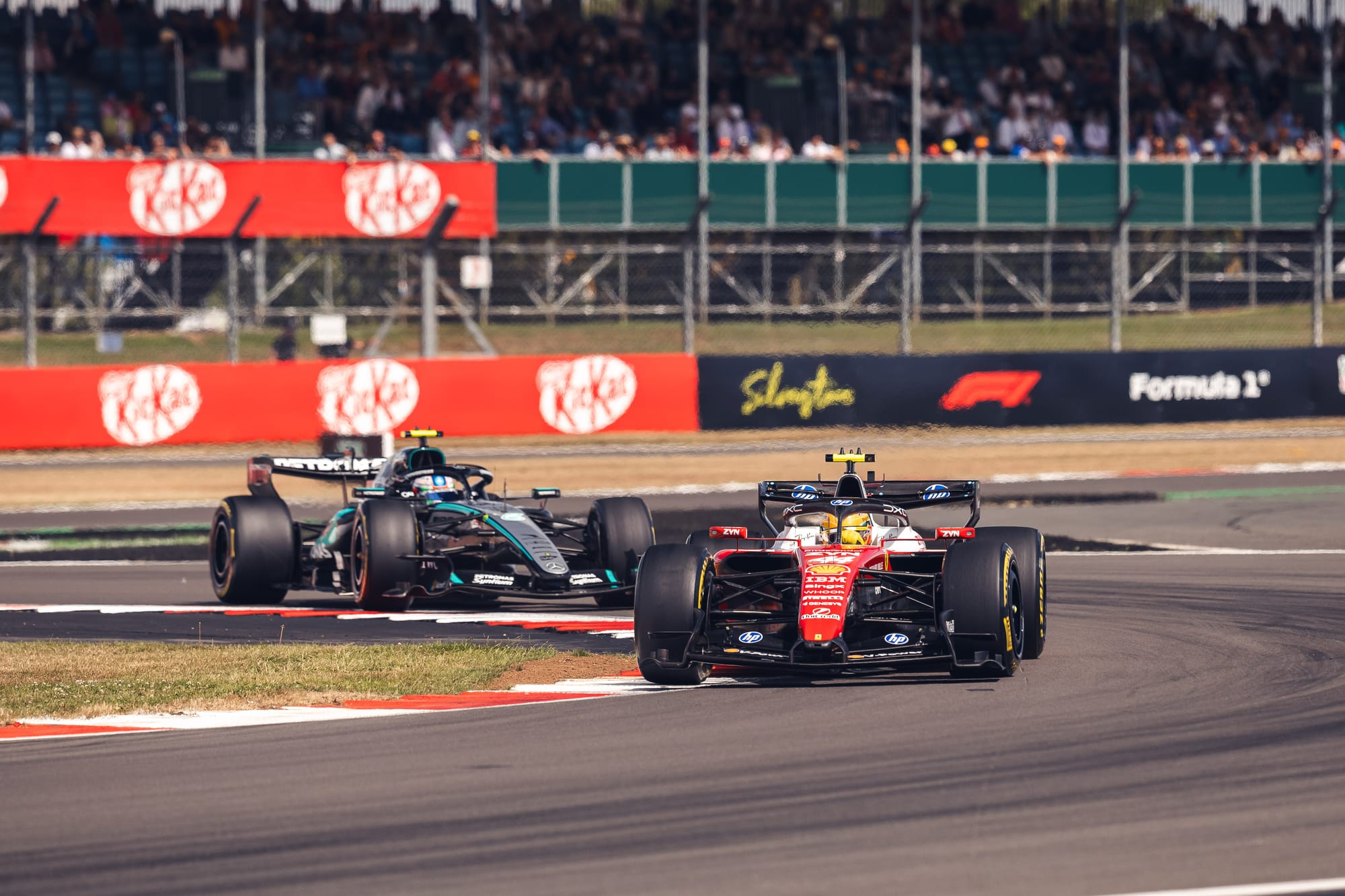
McLaren, the defending champion, has already shown its hand by planning a steady stream of upgrades, with the next batch arriving at Zandvoort. Ferrari, meanwhile, has raised eyebrows with a relentless upgrade programme. Mercedes boss Toto Wolff admitted surprise at Ferrari’s pace of development, saying, “We’re a little bit surprised that Ferrari can throw these huge updates at the car in the way they do. In my opinion, they need to be running out of money soon.” Ferrari’s Fred Vasseur countered that appearances can be deceptive: “Sometimes you can have the feeling that we are bringing a big upgrade, but this is just a modification of some parts, nothing else.” Ferrari sees early-season gains as more valuable than late-season ones, so it may well dip into the extra allowance if the title race tightens.
Red Bull has been aggressive in closing a one-second deficit from the start of the season, but team principal Laurent Mekies hinted that the pace of development will slow as resources shift to the 2027 car. “Probably difficult to imagine that we will continue at that rhythm,” he said, given the effort already expended.
Mercedes, by contrast, has deliberately held back. Despite leading both championships, it has introduced only one major upgrade, at the Canadian Grand Prix. Wolff said the team is in a “good spot” with a strategy weighted towards the second half of the season. Deputy technical director Simone Resta hinted at “something more sizeable on the car” to come, while deputy team principal Bradley Lord teased that “a decent amount of performance” is working its way through production.
The strategic choices are finely poised. Spend too much now and risk being short in 2028; save too much and lose ground in 2026. As the season progresses, the winner may not be the team with the best designers, but the one that judged the $6 million spending best.