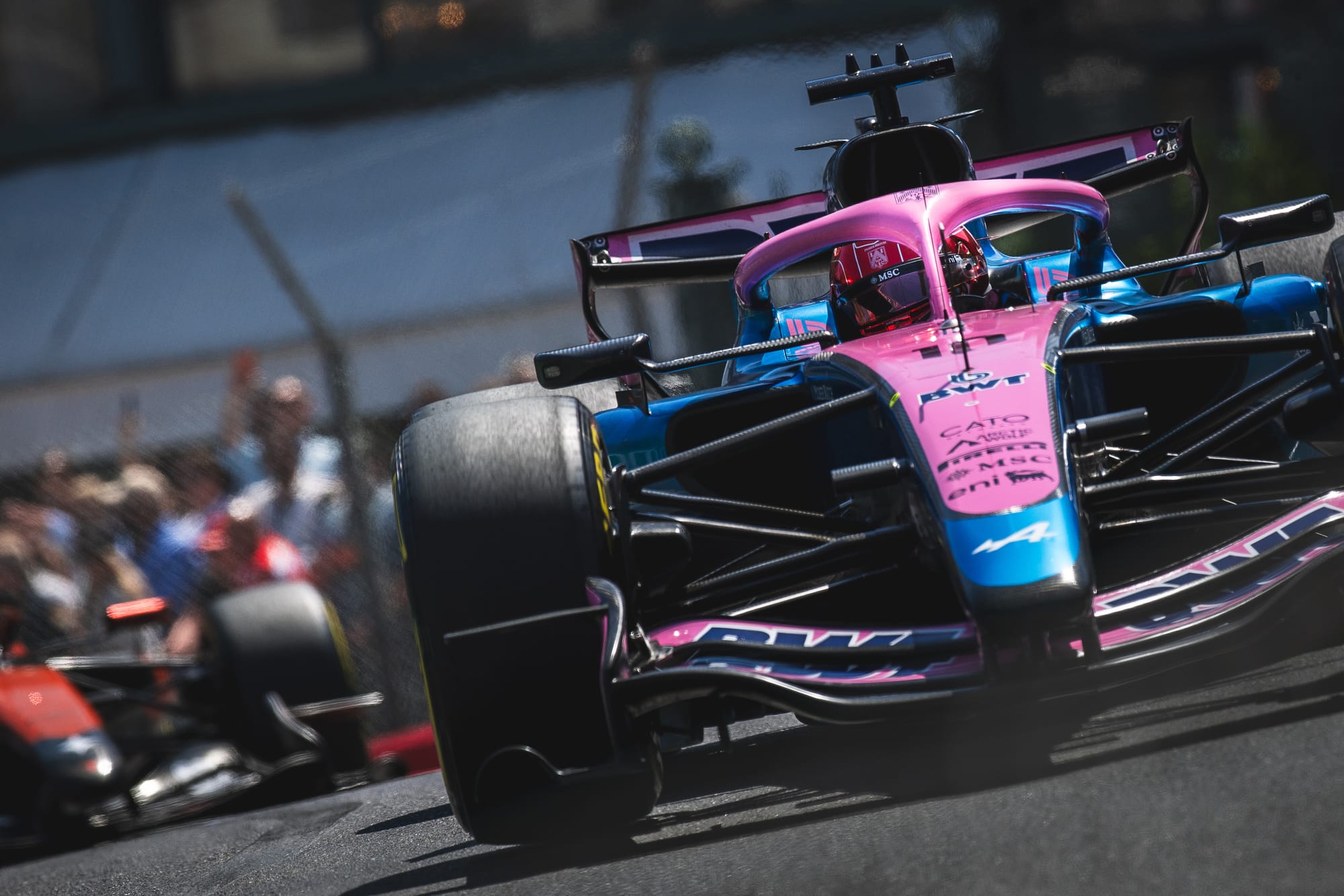
Alpine’s 2026 Formula 1 season began with genuine promise. After a winter of change, including a switch to Mercedes power units, the team harboured realistic hopes of closing the gap to the sport’s leading outfits. Early results backed that optimism: Pierre Gasly’s seventh in Japan, where the car was the fourth fastest, and a podium in Monaco suggested a team on the rise.
Yet as the summer break approaches, that early progress has evaporated. In Hungary, Alpine suffered its second non-score in four races, slipping to seventh in the pecking order and losing fifth in the constructors’ championship to Racing Bulls. The contrast between April’s optimism and July’s frustration could not be starker.
Gasly, who has been the team’s benchmark all year, did not hide his concern. After qualifying 12th or 13th behind Racing Bulls and Audi in recent rounds, he admitted that pure pace is lacking. "It’s not the reality I want to see," he said, "but there’s no hiding from it." The team’s early-season targets, set by executive adviser Flavio Briatore, were to fight for points and top-six finishes every race. That ambition now looks distant.
Why has Alpine slipped?
The reasons for the decline are multi-layered. Gasly points to the relentless development race of 2026’s new regulations. Rivals, particularly Racing Bulls, have brought frequent and effective upgrades. Racing Bulls has introduced ten performance parts over the last four races, while Alpine has managed only six, five of which arrived at the Austrian Grand Prix. That disparity has shifted the competitive order.
Racing Bulls’ progress has been more than expected, Gasly acknowledged. "They’ve really brought a lot of upgrades," he said. "It seems to work well, and even slightly better than they would have anticipated." Audi, too, has made strides, leaving Alpine fighting to hold onto its early advantage.
Alpine’s racing director, Dave Greenwood, conceded that the team is "slightly out of step with everyone else" in the development race. The team has deliberately held back on new parts, waiting for a more substantial package. That patience has cost track position, but Greenwood insists the team has stayed "in the race" while others have surged ahead.
A critical moment at Zandvoort
All eyes now turn to the Dutch Grand Prix, where Alpine is expected to introduce a significant upgrade. The team has been tight-lipped about the specifics, but Gasly has identified the car’s weaknesses: an inconsistent aero balance, a loose rear end on corner entry, poor traction, and mid-corner understeer. The new parts are designed to address these issues and bring Alpine back into contention.
Gasly is cautiously optimistic. "It’s the standard of Formula 1," he said. "If you bring upgrades, you expect them to definitely get better. I’m not doubting that it’s going to do what the team expect." He pointed to Aston Martin’s two-second improvement at a recent race and Racing Bulls’ gain of a second since the start of the year. "We just didn’t do much steps," he admitted. "So it’s critical for us if we want to keep the hope for that fifth place in the championship."
The word "critical" was used by The Race, but Gasly’s own comments echo that sentiment. This upgrade is not just about a few tenths of a second; it is a test of whether Alpine’s development programme can match its rivals under the new rules.
More than just points
For Alpine, the stakes extend beyond this season’s standings. The decision to abandon its in-house engine programme and become a Mercedes customer was a strategic gamble designed to put the team in the best possible position. Briatore has said that the Mercedes engine was the "only one condition" for him to join the team. The expectation was that this would give Alpine a head start in the new regulatory era.
Gasly himself called the combination of the rules reset, Alpine’s development head start, and the Mercedes engine "probably the best opportunity I’ve had as a driver but also for the team over the last couple of years to really make that step to the front of the grid."
Yet if the season continues to unravel, questions will inevitably be asked about the project’s direction. Alpine is undoubtedly more competitive than it was in 2025, but that is a low bar. The team’s own targets were higher. Briatore had spoken of having a "three or four months advantage" in car development, which made fifth in the constructors’ championship a minimum expectation.
With half the season gone, Alpine still has time to recover. But the Zandvoort upgrade is a moment of truth. If it delivers the expected step, Alpine can rejoin the battle for fifth. If it fails, the team’s slide could become a permanent feature of 2026.
In a season where the development race has been unusually intense, Alpine’s patience has been a calculated risk. The next few races will show whether that risk pays off or whether the team’s early promise was a false dawn. For Gasly and his team-mate Franco Colapinto, the pressure is on to extract everything from a car that must finally live up to its billing.