

The roar of engines, the smell of burning rubber, and the split-second decisions that define MotoGP racing. But when those decisions go wrong, who decides the punishment? And more importantly, how?
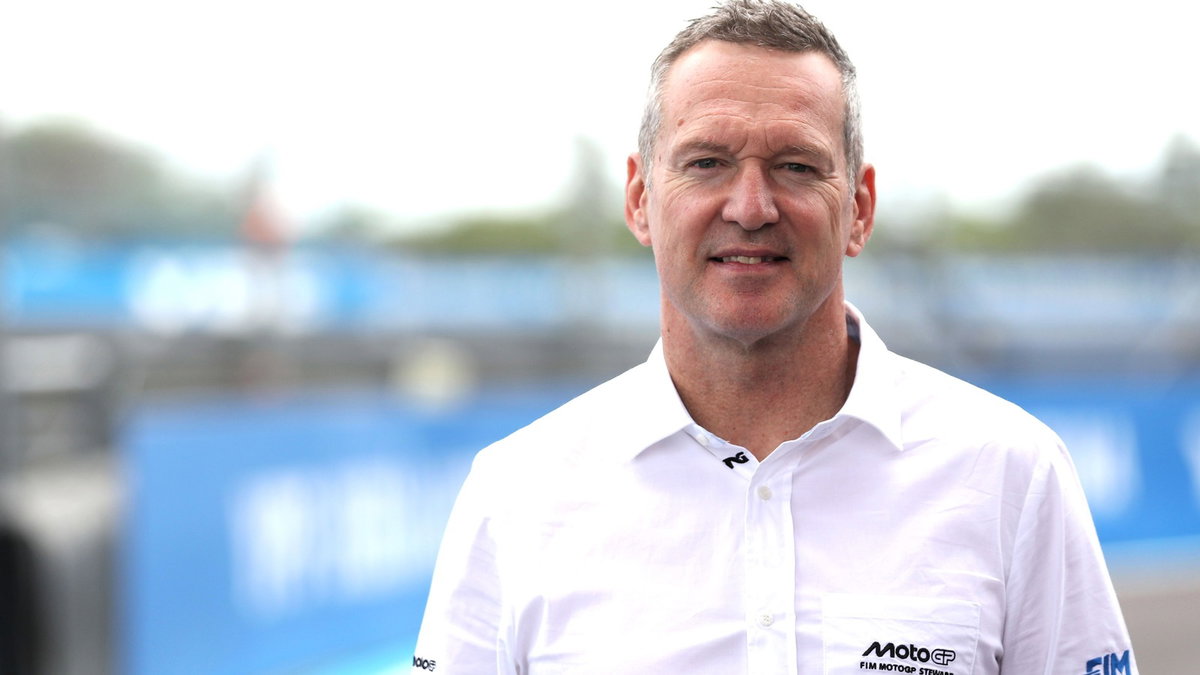
In a recent explanation, MotoGP race director Simon Crafar lifted the lid on the intricate process behind penalties, revealing that the Stewards’ approach is far from a simple ‘eye for an eye’ philosophy. Instead, it’s a careful evaluation of three key factors: mistake, intent, and danger.
Beyond the Surface
At first glance, it might seem easy to judge a racing incident. A rider runs wide, takes out another, and the penalty should be clear. But Crafar insists that the reality is far more nuanced. The Stewards don’t just look at the outcome; they delve into the circumstances surrounding each incident.
“We’re not in the business of retaliation,” Crafar emphasized. “Our job is to assess what happened, why it happened, and how dangerous it was. It’s about understanding the rider’s mindset and the potential consequences of their actions.”
This approach means that two seemingly similar incidents can result in very different penalties. A rider who makes a genuine mistake, such as losing the front under braking, might receive a warning or a small penalty. But a rider who deliberately takes out a rival, or who makes a reckless move that endangers others, will face much harsher consequences.
The Three Pillars
Crafar broke down the decision-making process into three core components. First, the Stewards assess the level of mistake. Was it a simple error of judgment, or a blatant disregard for racing lines? Second, they consider intent. Did the rider deliberately cause contact, or was it an accident born of over-ambition? Finally, they weigh the danger. How fast were they going? How close were other riders? Could the incident have caused serious injury?
This framework allows for a more holistic view. For example, a low-speed collision in a tight corner might be treated leniently, while a high-speed near-miss on a straight could result in a severe penalty even if no contact was made. The potential for harm is a critical factor.
“Danger is paramount,” Crafar added. “We can’t wait for someone to get seriously hurt before we act. We have to consider the worst-case scenario in every incident.”
Consistency and Fairness
Of course, with such a subjective approach, questions of consistency inevitably arise. Fans and riders alike often wonder why similar incidents receive different punishments. Crafar acknowledges this challenge but insists that the Stewards strive for fairness above all.
“We have a set of guidelines, but each incident is unique,” he explained. “We look at the specifics, the context, and the riders involved. It’s not about being consistent in the sense of identical outcomes, but about being consistent in our methodology.”
This means that while a first-time offender might get the benefit of the doubt, a repeat offender will be treated more harshly. The Stewards also take into account the championship standings and the consequences of a penalty, ensuring that the punishment fits the crime without unduly affecting the title fight.
The Human Element
At its core, MotoGP is a human sport, and penalties are meted out by humans. Crafar, a former racer himself, brings a unique perspective to the role. He understands the heat of the moment, the adrenaline, and the desire to win. That empathy allows him to see beyond the black-and-white of the rulebook.
“I’ve been there, fighting for a position, pushing to the limit,” he said. “I know what it’s like to make a split-second decision that goes wrong. Our job is to balance that understanding with the need to keep the sport safe.”
This human touch is what sets MotoGP’s penalty system apart. It’s not a robotic application of rules, but a thoughtful consideration of every angle. And while it may never satisfy everyone, it ensures that the sport remains both competitive and safe.
Looking Ahead
As MotoGP continues to evolve, so too will its approach to penalties. Crafar hinted at ongoing discussions about improving transparency and communication with teams and riders. The goal is to make the process even more understandable and accepted by all.
“We’re always looking for ways to improve,” he concluded. “The day we stop questioning ourselves is the day we stop doing our jobs properly.”
In a sport where milliseconds can mean the difference between glory and disaster, the Stewards’ careful assessment ensures that justice is served—not as an eye for an eye, but as a considered, balanced response to the complexity of motorcycle racing.


