Pascal Wehrlein’s recent coronation as a two-time Formula E champion in the dramatic 2025-26 season finale is a testament to his resilience. But for many, the lingering question remains: how did a driver of his calibre end up leaving Formula 1 after just two seasons? A new retrospective by The Race’s Ben Anderson sheds light on the pivotal moments that derailed his F1 trajectory, painting a picture of a talented driver who simply wasn’t in the right place at the right time.
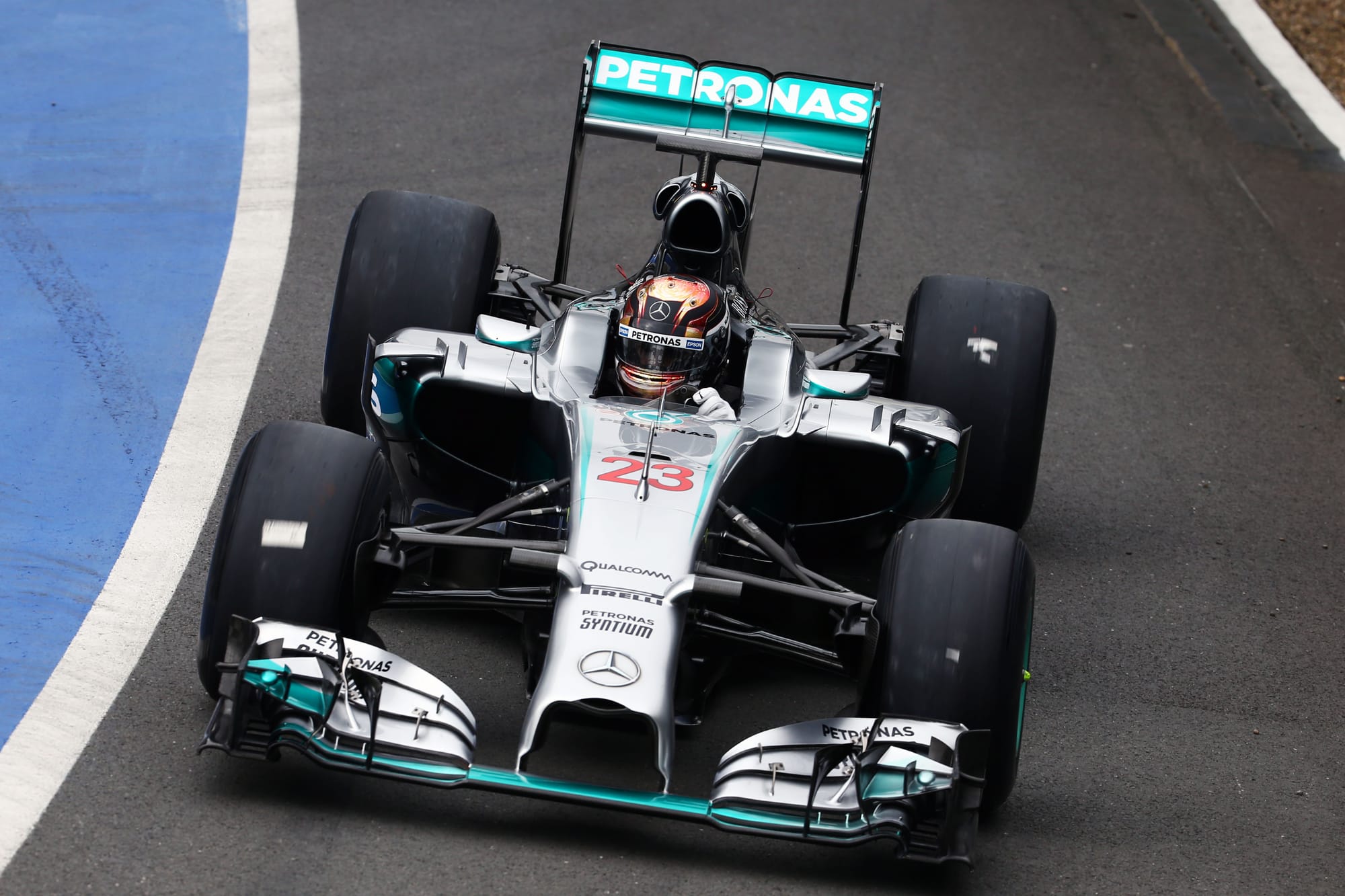
Wehrlein’s path to F1 was unconventional. After a stint in the DTM, where he became the youngest champion in series history at 20, he was fast-tracked into the Mercedes junior programme. His raw pace was undeniable—his qualifying performances in the uncompetitive 2016 Manor were nothing short of spectacular, often dragging the car into Q1 when it had no business being there. Yet, as Anderson points out, ability is only one part of the equation in F1’s cutthroat ecosystem.
The Force India Fork in the Road
The crux of Wehrlein’s F1 undoing came in late 2016. Force India, then a Mercedes customer team, had a vacant seat for 2017 after Nico Hulkenberg’s move to Renault. Mercedes offered Force India the pick of its junior drivers: Wehrlein or Esteban Ocon, who were teammates at Manor that year. On paper, Wehrlein was the more accomplished—he had a year of F1 experience, a DTM title, and had been in the Mercedes programme longer. But Force India chose Ocon.
The decision hinged on more than just lap times. Anderson notes that Force India simply gelled better with Ocon, whose personality and communication style meshed more naturally with the team. It was a stark reminder that in F1, character and interpersonal bonds can be just as decisive as speed. That single choice redirected both drivers’ careers: Ocon went on to a long and successful F1 career, while Wehrlein was left scrambling for a seat.
Sauber’s Ferrari Alliance
Mercedes, still believing in Wehrlein, helped place him at Sauber for 2017. He performed admirably, often outperforming the car’s potential and consistently beating teammate Marcus Ericsson. But the winds of change were blowing. Sauber’s new team principal, Fred Vasseur, was forging a technical and strategic alliance with Ferrari that would eventually bring Charles Leclerc into the fold. With Ericsson’s Swedish backers providing crucial funding, Wehrlein was the odd man out. By the end of 2017, he was out of a seat, while Leclerc was being groomed for greatness.
In a different universe, Wehrlein might have been an Ocon-level F1 driver—someone capable of winning races and still fighting for grid positions today. But the stars never aligned. He was never considered essential by the top teams, and when the music stopped, he was left without a chair.
Redemption in Formula E
Rather than fade into obscurity, Wehrlein reinvented himself in Formula E, where his smooth driving style and strategic acumen have made him a two-time champion. His success there underscores a broader truth: the gap between F1 and other top-tier series is often narrower than perceived, and a driver’s worth is not solely defined by their F1 results.
Wehrlein’s story is a cautionary tale about the brutal realities of F1’s driver market, where timing, politics, and personal chemistry can outweigh pure talent. It also serves as an inspiration—proof that a setback in F1 need not define a career. As he celebrates his latest title, one can’t help but wonder what might have been, but also admire what he has achieved beyond the F1 bubble.