When Netflix’s Drive to Survive burst onto the scene, it transformed Formula 1’s global appeal, pulling back the curtain on the paddock’s inner workings. But for those inside the sport, the constant presence of cameras and microphones brought a new challenge: how to speak freely without every word ending up in a hit series.
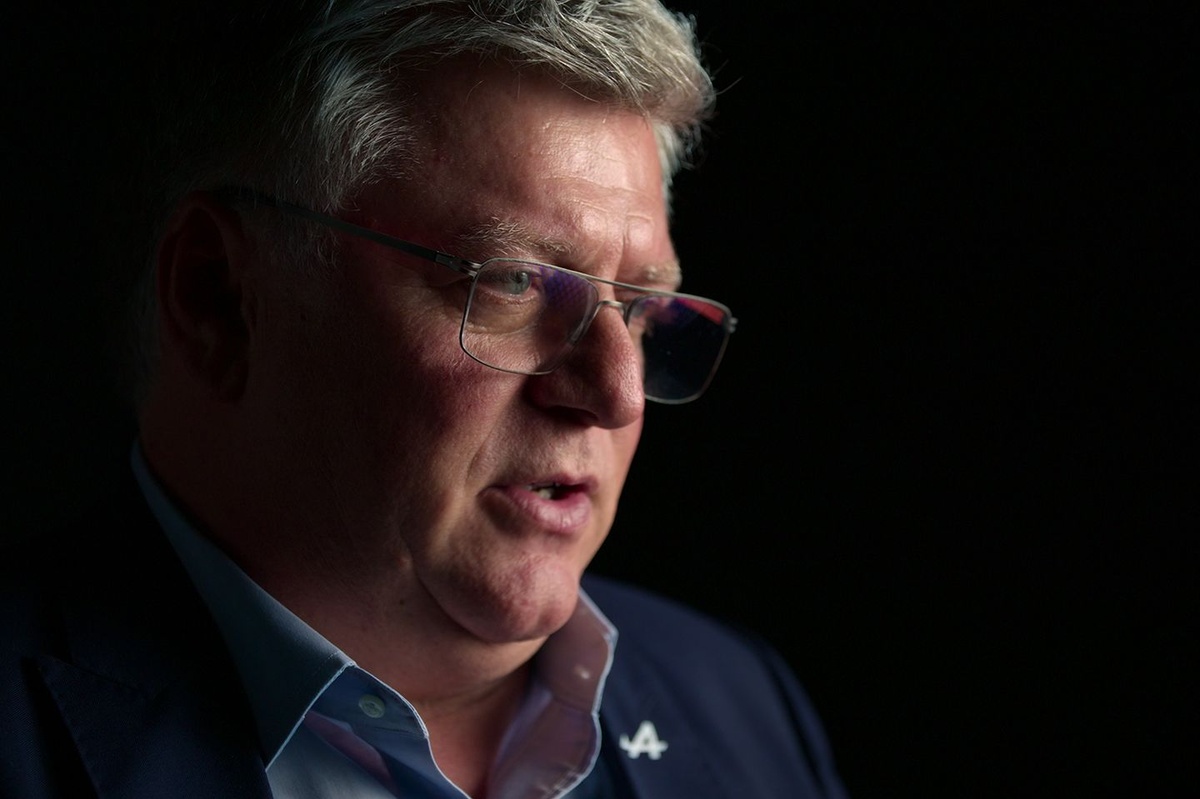
Former team principal Otmar Szafnauer, who led teams such as Force India and Alpine, has now revealed the unusual method he used to keep his staff on high alert. Speaking about his time in the paddock, Szafnauer explained that he developed a simple but effective code to signal that recording was underway.
The revelation offers a fascinating insight into the lengths teams went to in order to protect sensitive information. With Drive to Survive capturing everything from strategy debates to heated radio messages, the fear of a private comment becoming public was ever-present.
A Simple Signal
Szafnauer described how he would casually drop a specific word into conversation to let his engineers and mechanics know that the microphones were live. While he did not disclose the exact word, he emphasized that it was innocuous enough to go unnoticed by the Netflix crew, yet clear enough for his team to immediately switch to more guarded language.
“It was just a way of saying, ‘Be careful what you say right now,’” Szafnauer explained. The tactic was born out of necessity, as the docuseries’ producers were keen to capture authentic, unfiltered moments—something that could occasionally clash with the need for confidentiality.
Privacy in the Spotlight
Drive to Survive has been credited with bringing a new generation of fans to Formula 1, but it has also sparked debates about privacy. Teams have often complained that the cameras intrude on sensitive moments, and some have even refused to participate in certain scenes.
Szafnauer’s approach was a pragmatic response to this new reality. By using a pre-arranged signal, he could maintain a semblance of control over what was captured, without appearing hostile to the filmmakers. It was a delicate balancing act, but one that many in the paddock had to master.
A Wider Trend
Szafnauer is not alone in his caution. Other team principals and drivers have admitted to being more reserved when the cameras are rolling. Some have even used code words or changed their body language to avoid giving away crucial information.
The revelation also highlights a broader trend in modern motorsport, where media access is both a blessing and a curse. While the exposure has boosted the sport’s popularity, it has also forced those involved to become more media-savvy than ever before.
Legacy of the Docuseries
As Drive to Survive continues to document the championship, the tension between transparency and privacy remains. For Szafnauer, the experience was a learning curve, but his inventive solution shows the human side of the sport—where even the most seasoned professionals must adapt to the cameras’ gaze.
His story serves as a reminder that behind the glamour of Formula 1, there is a constant negotiation over what should be seen and heard. And for those who lived it, the bizarre ways they coped with the intrusion are now part of the sport’s modern folklore.