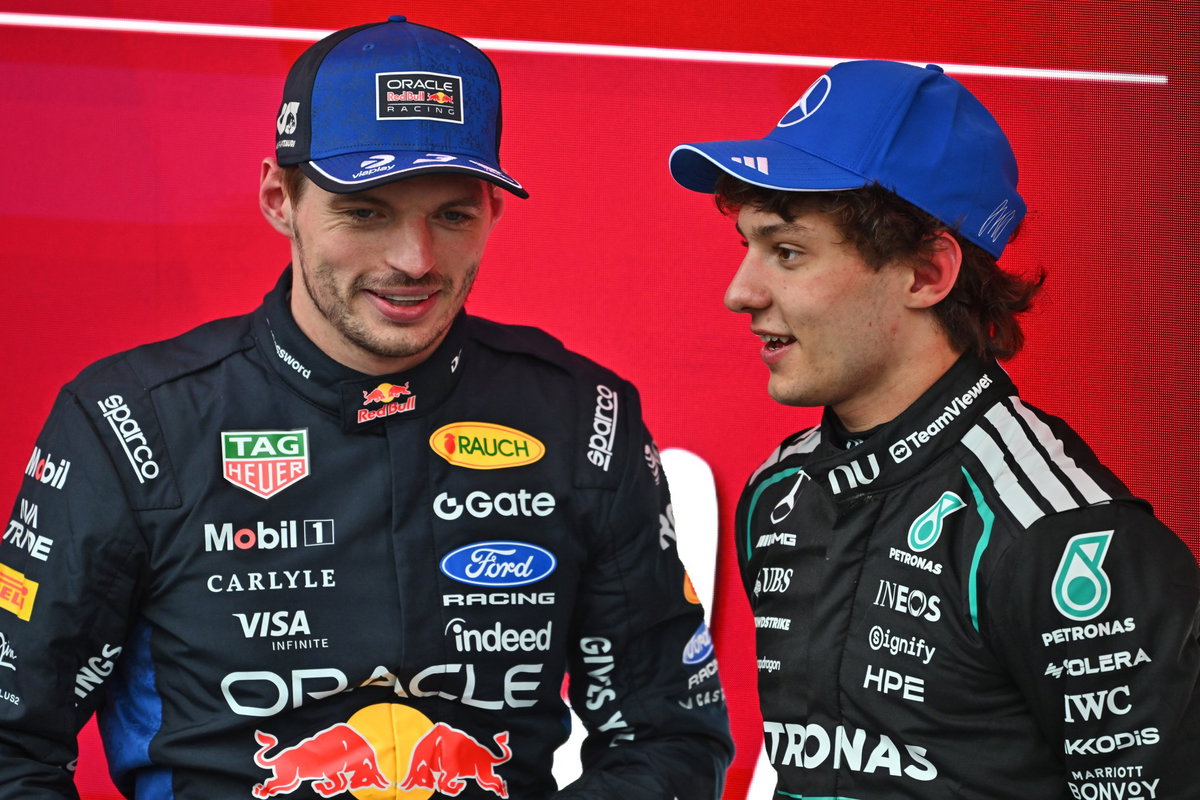
The Formula 1 driver market is a relentless soap opera, and the latest twist comes from an unlikely source. Guenther Steiner, the outspoken former team principal of Haas, has thrown a grenade into the paddock by declaring that Mercedes “don’t need” Max Verstappen. It’s a bold statement, especially given Verstappen’s dominance and the persistent rumours linking him to a move to Brackley. But is Steiner right? Let’s unpack the logic.
The Context: A Never-Ending Saga
For months, the F1 world has been buzzing with speculation that Verstappen could leave Red Bull for Mercedes. The Dutchman’s current contract runs until 2028, but performance clauses and the ongoing turmoil within Red Bull’s management have kept the door ajar. Mercedes, meanwhile, have been searching for a long-term replacement for Lewis Hamilton, who departed for Ferrari at the end of 2025. George Russell has stepped up as team leader, but the Silver Arrows have yet to find a consistent second driver.
Enter Steiner. Known for his blunt and often humorous takes, the Italian-American has never been one to shy away from controversy. Speaking to media recently, he suggested that Mercedes should focus on developing their own talent rather than chasing the reigning world champion. “They don’t need Max,” he said. “They have George Russell, and they have a strong junior programme. Sometimes you have to build your own future instead of buying it.”
The Case for Stability
Steiner’s argument isn’t without merit. Mercedes have a rich history of nurturing young drivers—Michael Schumacher, Lewis Hamilton, and even George Russell all benefited from the team’s faith in them. Bringing in Verstappen, while a mouth-watering prospect, would come with significant baggage. The Dutchman is used to being the undisputed number one, a status that would clash with Russell’s own ambitions. The potential for internal friction could destabilise a team that has already endured a difficult transition period.
Moreover, Verstappen’s salary demands and the compensation Red Bull would require would be astronomical. Mercedes, as a manufacturer, have always been prudent with their spending, and investing heavily in a single driver might not align with their long-term strategy. Steiner’s point about building from within resonates with the philosophy that has served Mercedes well in the past.
The Verstappen Factor
Yet, it’s hard to ignore the sheer talent Verstappen brings. He is, by any measure, one of the greatest drivers of his generation. His ability to extract performance from any car is unmatched, and his racecraft is second to none. For a team like Mercedes, who are clawing their way back to the front after a challenging regulation change, having a driver of Verstappen’s calibre could be the final piece of the puzzle.
But Steiner’s point is more nuanced. He isn’t denying Verstappen’s brilliance; he’s questioning whether Mercedes need him to win. The team has already shown they can compete at the highest level with Russell, who took multiple victories in 2025 and pushed Verstappen all the way in the championship. The car is improving, and the infrastructure is in place. What Mercedes need, Steiner suggests, is continuity and harmony, not a superstar whose ego might disrupt the balance.
A Question of Legacy
There’s also a matter of legacy. Toto Wolff, the Mercedes team principal, has often spoken about the importance of creating a legacy that extends beyond any single driver. Hamilton’s departure left a void, but it also opened an opportunity for the team to redefine itself. Signing Verstappen would be a statement of intent, but it would also tie Mercedes’ fortunes to a driver who has been loyal to Red Bull for over a decade. Is he truly committed to a new project, or would he be a mercenary looking for his next conquest?
Steiner’s comments tap into a broader debate about the nature of success in F1. Is it better to win with a driver you’ve developed, or to buy proven talent? History shows that both approaches can work. Red Bull built their empire around Verstappen after taking a gamble on him as a teenager. Mercedes, on the other hand, have often succeeded by pairing experienced stars with emerging talent. There’s no one-size-fits-all answer.
What the Future Holds
For now, the Verstappen-to-Mercedes saga seems to have cooled. The Dutchman has repeatedly stated his commitment to Red Bull, and the team have made clear they have no intention of letting him go. But F1 is a fluid world, and things can change in an instant. Steiner’s words might be a subtle nudge to Mercedes to think twice before making a move that could backfire.
As the 2026 season unfolds, all eyes will be on the driver market. With several top drivers out of contract at the end of the year, the chess pieces are ready to move. Whether Mercedes heed Steiner’s advice remains to be seen, but one thing is certain: the debate over Verstappen’s future is far from over.
In the end, Steiner’s claim is a refreshing dose of pragmatism in a sport often driven by hype and glamour. It reminds us that success isn’t just about having the best driver; it’s about having the right team. And for Mercedes, that might mean looking inward rather than outward.