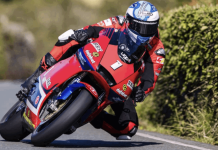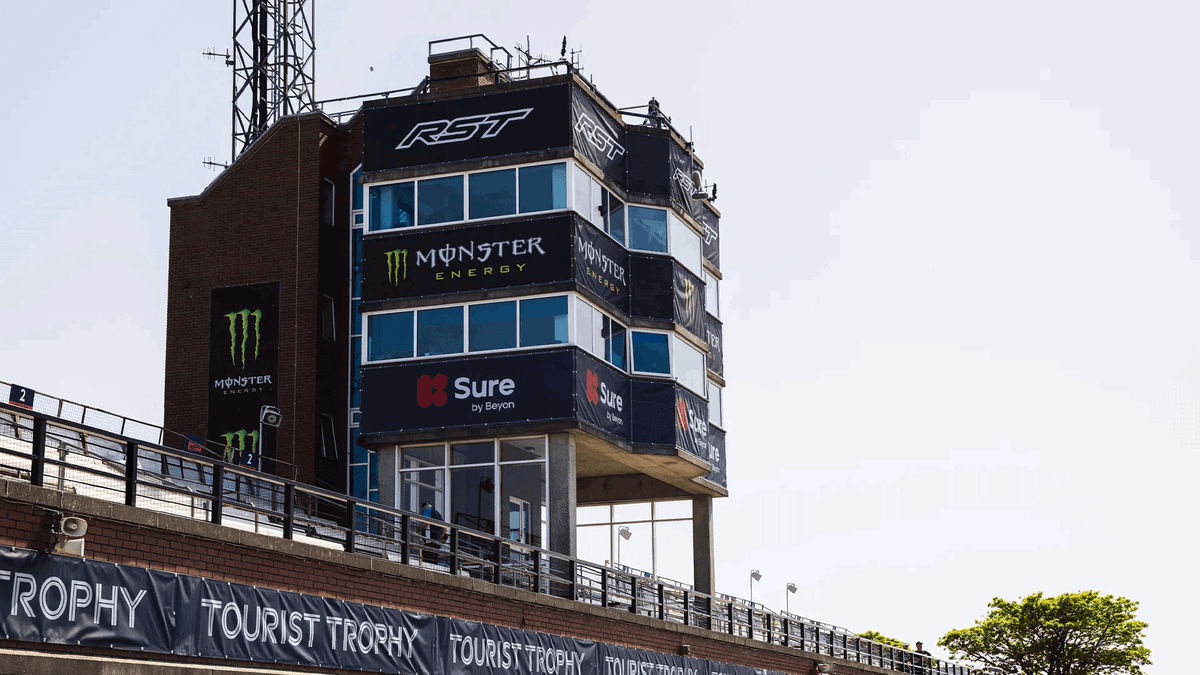
The Isle of Man TT is the ultimate test of man and machine – a high-speed dance with danger on public roads closed for the occasion. But for the man who holds the whistle, Gary Thompson, it’s a role that comes with an impossible burden. In a rare, candid reflection, Thompson has described his position as a “no-win situation”, where every call is second-guessed and every tragedy is laid at his door.
The TT, part of the road racing calendar that stands apart from conventional circuit racing, is a festival of speed and courage. Riders hurtle through villages and over mountain passes at speeds exceeding 200 mph, inches from stone walls and lampposts. It’s a spectacle that draws tens of thousands of fans each year, but it’s also one that has claimed more than 260 lives since its inception in 1907. That dark shadow makes the clerk of the course’s job uniquely fraught.
The impossible balancing act
Thompson, a former TT competitor himself, knows the course intimately. He’s been the clerk of the course since 2000, overseeing the event’s safety protocols, race starts, and, when the worst happens, the aftermath. His role is to ensure the race runs as smoothly as possible while mitigating risks that are inherent to road racing. But as he explains, there’s no way to please everyone.
“If we stop the race for a minor incident, riders complain about lost track time and momentum. If we let it run, and something worse happens, we’re blamed for not acting sooner,” Thompson said in a recent interview. “It’s a no-win situation.” This is the reality of a job where decisions are made in split seconds, often under extreme pressure, and where the consequences can be fatal.
The TT’s unique format – a time trial against the clock rather than a wheel-to-wheel battle – means that riders are spread out over the 37.73-mile course. This makes it impossible for officials to have eyes on every corner at all times. Instead, the clerk relies on a network of marshals, medical teams, and communication systems to stay informed. But even with modern technology, the sheer scale of the course presents challenges that circuit racing doesn’t face.
History and tradition vs. modern safety
The TT is steeped in tradition, dating back over a century. It’s part of its charm, but it also creates tension. Calls to modernise or even cancel the event are met with fierce resistance from riders and fans who see it as the purest form of motorcycle racing. Thompson has to navigate this delicate balance, respecting the event’s heritage while implementing changes that improve safety without diluting its character.
In recent years, the TT has introduced measures like increased medical helicopter cover, improved barriers at high-risk areas, and stricter rider qualifications. But Thompson acknowledges that you can never eliminate the danger entirely. “We do everything we can to reduce the risk, but at the end of the day, this is a road race. That’s what makes it special, and that’s what makes it dangerous,” he said.
The emotional toll
The job also takes a personal toll. Thompson has been present at countless accidents, including fatal ones. He’s had to make the call to red-flag the race, knowing that a rider’s life hangs in the balance. The emotional weight of those moments is something he carries with him.
“You never get used to it,” he admitted. “When you lose a rider, it hits you hard. You think about their family, their friends, their team. But you have to keep going, because the show must go on, and there are hundreds of other riders who want to race.”
This stoicism is typical of the road racing community, where grief is often private and the focus quickly shifts to the next race. But Thompson’s honesty about the pressures he faces offers a rare glimpse behind the curtain.
Why the TT matters
For motorsport fans, the TT is more than just a race; it’s a pilgrimage. It’s a test of bravery and skill that no other event can match. The riders who compete are a special breed, and the officials who run it are equally dedicated. Thompson’s role is thankless, often criticised, but essential. Without a clerk of the course willing to take on that burden, the TT could not exist.
As the event continues to evolve, the debate over its future will persist. But for now, Gary Thompson remains at the helm, doing a job that few could handle, and fewer still would want. His “no-win situation” is a stark reminder of the fine line between glory and tragedy that defines the Isle of Man TT.
In a world where motorsport is increasingly sanitised, the TT stands as a defiant throwback. And Thompson, for all his struggles, is a guardian of that legacy. He may never win the public’s approval, but he has the respect of those who understand the true nature of the challenge.