The Formula 1 season opener in Melbourne always sets the tone for the year ahead, but this time it wasn’t just the on-track action that grabbed headlines. Adrian Newey, the legendary designer now at Aston Martin, appeared at the FIA team principals’ press conference and made some pointed remarks about Honda’s battery issues. While his comments were made in the context of his new role, they also shed light on a fundamental shift in Honda’s approach to its F1 project.
Honda’s history in Formula 1 is a tale of two eras. The first, with Red Bull Racing, was a partnership that ultimately delivered championship glory but was marked by a complex dynamic. Honda was the engine supplier, but Red Bull held the reins when it came to chassis design and overall car philosophy. The engine had to fit into a car that was primarily designed by Adrian Newey and his team, and Honda’s power unit was often adapted to meet Red Bull’s specific needs.
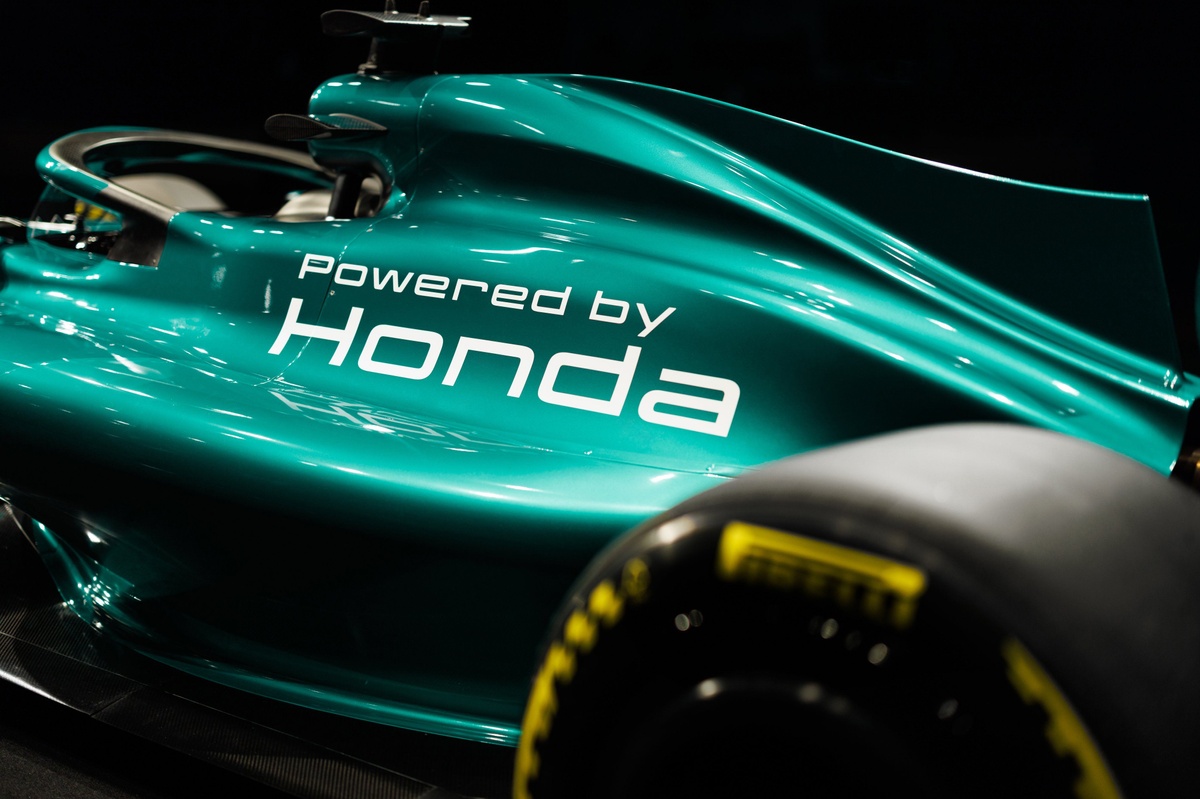
Now, Honda is embarking on a new journey with Aston Martin, and the project is fundamentally different. This time, Honda is not just a supplier; it is a full technical partner from the ground up. The new regulations for 2026 have prompted a clean slate, and Honda is involved in the design of the entire power unit and its integration into the chassis from day one. This is a stark contrast to the Red Bull years, where Honda often had to work around an existing chassis design.
Newey’s comments about battery problems were telling. In the past, such issues would have been a source of tension between the engine supplier and the chassis team. But now, with Newey himself admitting that his role as team principal has distracted him from design duties, the dynamic has changed. He is not just a designer; he is a leader who has to manage relationships and expectations. And with Honda as a full partner, the collaboration is more integrated, with both sides working towards a common goal from the outset.
One of the key differences is the level of involvement Honda has in the overall car concept. In the Red Bull years, Honda’s engineers were largely focused on the power unit itself, with limited input into how it was packaged or how it interacted with the aerodynamics. Now, Honda is working hand-in-hand with Aston Martin’s technical team, including Newey, to ensure that the power unit is not just powerful but also perfectly integrated into the car’s overall design philosophy.
This shift is also reflected in the corporate culture. Honda’s previous F1 project was often seen as a support act to Red Bull’s dominant chassis. Now, Honda is a co-equal partner, with its name prominently featured in the team’s title. This change in status brings with it a greater sense of responsibility and a more collaborative approach. Honda is not just delivering an engine; it is helping to shape the entire car.
Furthermore, the new regulations for 2026 have forced all manufacturers to rethink their approach. The power units will be more electrified, with a greater emphasis on the battery and energy recovery systems. Honda has been investing heavily in this area, and its work with Aston Martin is seen as a chance to showcase its technological prowess. The battery problems that Newey mentioned are part of this learning curve, but they are being addressed in a more transparent and collaborative way than might have been the case in the past.
For fans, this new partnership is exciting because it brings together two giants of the sport: Honda, with its rich F1 heritage, and Aston Martin, with its iconic brand and the genius of Adrian Newey. The potential is enormous, but so are the challenges. The Red Bull years were successful, but they were also a product of a specific time and circumstance. Honda’s new project is a clean break, a chance to build something from the ground up with a partner that shares its vision.
In many ways, the Melbourne press conference was a microcosm of this new era. Newey, typically a man of few words about technical matters, was open about the issues facing the team. This transparency is a hallmark of the new partnership. Honda and Aston Martin are not hiding their struggles; they are facing them head-on, together. That is a refreshing change and a sign of a healthier, more mature relationship.
As the season progresses, all eyes will be on how this new project develops. Will Honda’s battery issues be resolved? Will the integration of the power unit deliver the performance that both partners expect? Only time will tell. But one thing is certain: this is not the Honda of the Red Bull years. This is a new chapter, and it promises to be a fascinating one.