The 2026 Formula 1 season has been a rollercoaster, with new regulations shaking up the order and delivering surprises both good and bad. But while some teams have exceeded expectations, others have fallen far short. We asked our panel of experts to identify the biggest disappointments so far, and their answers paint a stark picture of a season where promise has often turned to despair.
Aston Martin: The Fall from Grace
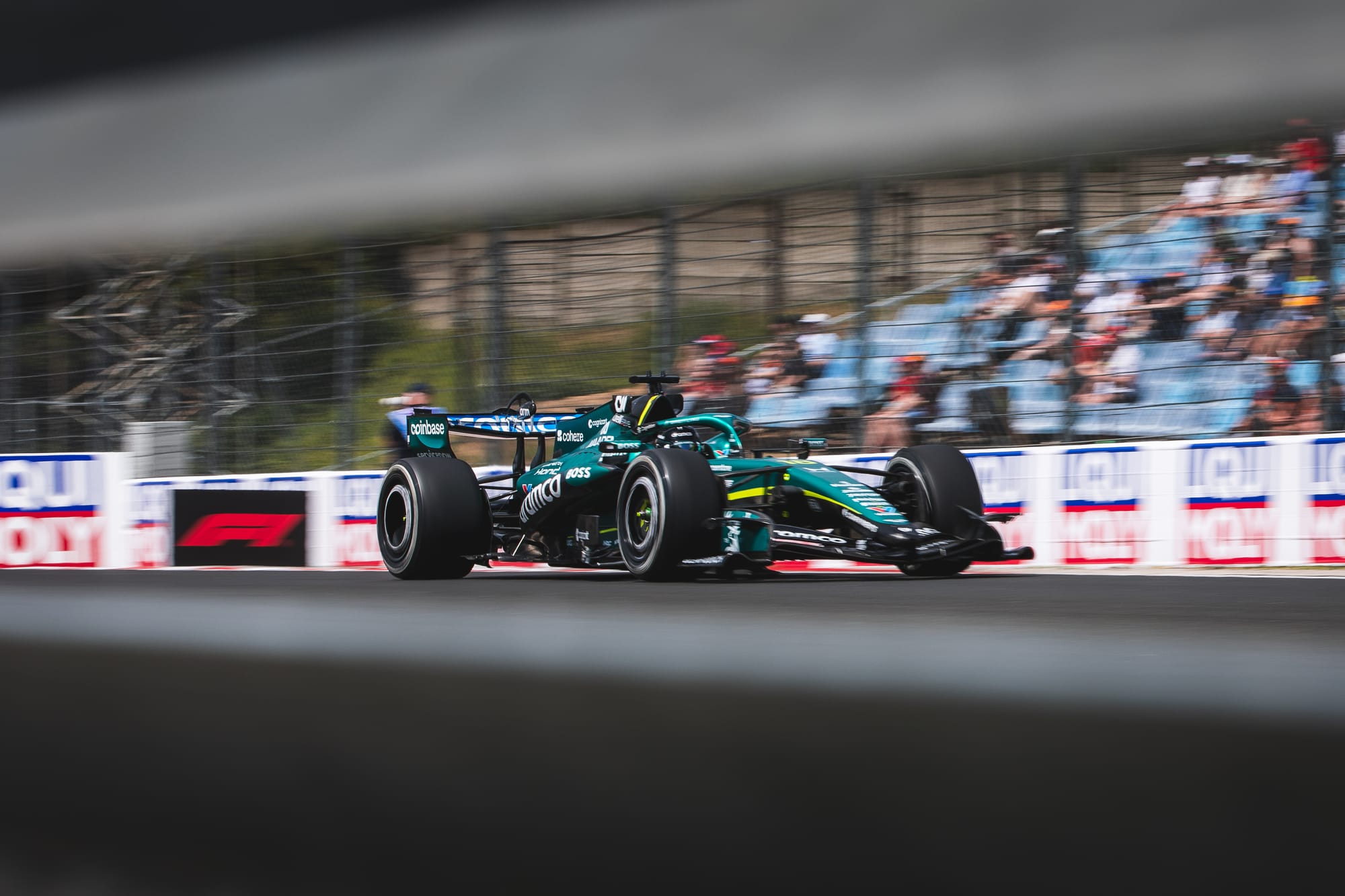
Unanimously, our experts point to Aston Martin-Honda as the season’s biggest letdown. Just a few years ago, this was a team tipped to become a race-winning force, with the arrival of Adrian Newey, a works Honda engine deal, and a state-of-the-art factory. Yet 11 races into the season, they have just one point to show for it—a fluke result in Monaco after a post-race penalty for another driver. Edd Straw sums it up: “For it to have made it 11 races into the season with a grand total of one point is below even the lowest of realistic expectations.”
The disappointment is compounded by the fact that all the pieces seemed to be in place. Newey’s design, Honda’s power unit, Fernando Alonso’s experience—none of it has clicked. The car has been uncompetitive, and the team has been scraping around at the back, only ahead of new entrants Cadillac. Gary Anderson notes that both Aston Martin and Honda share responsibility for the dismal start, though he sees a glimmer of hope in the Hungary upgrade, which lifted the car above Williams and Haas. Oliver Card echoes this, calling it “a devastating start” and “hard to watch,” but he also sees potential for a comeback, comparing it to McLaren’s renaissance in the mid-2010s.
Williams: A Catastrophic Season
If Aston Martin’s fall is shocking, Williams’ season is described as “catastrophic” by several of our writers. The team had been promising a regrouping, with new personnel and systems, and 2026 was supposed to be the year it all came together. Instead, they missed the start of pre-season testing, began the season dismally, and have gone backwards from there. Gary Anderson is blunt: “We have been hearing for far too long how it’s regrouping… and in reality it has gone backwards from there.”
Valentin Khorounzhiy highlights the squandering of Carlos Sainz’s talent, noting that Williams’ story in this regulations cycle looks like a retread of the early Dorilton era. Mathew Somerfield adds that the car is overweight and there have been development U-turns, leaving the team on the back foot. For a team with such a storied history, this is a painful return to the doldrums.
Haas and Alpine: Underwhelming Progress
Haas also comes in for criticism. Despite a new partnership with Toyota, the team has gone backwards as the season has progressed. Gary Anderson says he’s not sure what contribution Toyota has made, and the expected financial and R&D stability hasn’t translated into on-track progress. Inconsistency between the two cars has also been a problem, as Khorounzhiy points out, with parts not matching across the lineup.
Alpine, meanwhile, has the Mercedes power unit—a precious commodity in these early days of the new regulations—but has only exploited it to the bare minimum. Khorounzhiy describes them as “settling into the role of a perennial midpacker with no greater prospects or aspirations,” now that they’re just another customer team. It’s a far cry from their factory ambitions.
George Russell: A Personal Disappointment
Jack Benyon offers a different angle, singling out George Russell as a personal disappointment. Not because Russell isn’t talented—Benyon still believes he has what it takes to be world champion—but because the 2026 car is the least malleable of his career, and it’s exposing weaknesses in his driving. “It’s tragic that his opportunity has come just at the time he’s met with the least malleable F1 car of his career so far,” Benyon says. Russell was presumed to be a championship contender, but he’s been going through it the most, along with Aston Martin.
The Bigger Picture: Rules, Broadcasts, and Attitude
Beyond individual teams, our experts also point to systemic disappointments. Mathew Somerfield laments the new power units, which have “failed to move the needle forward” and have been “damaging to the racing.” The promise of more manufacturer involvement hasn’t delivered a better product.
From a media perspective, Khorounzhiy criticizes F1’s reluctance to incorporate more battery data into broadcasts, assuming viewers don’t want to understand the races. He also notes the lack of clarity in driver performance due to deployment inconsistencies and parts variations. Jon Noble adds that F1 chiefs’ repeated stance that “everything is perfect” is dismissive to the engaged audience, especially when technical details have always been a beloved part of the sport.
Looking Ahead
As the season heads to Zandvoort, there are signs of recovery for Aston Martin, with the Hungary upgrades showing promise. But for Williams, Haas, and Alpine, the path forward looks murkier. The 2026 regulations were always going to have challenges, and while some aspects of the racing have been better than feared, the disappointments are hard to ignore. For now, the biggest question is whether any of these teams can turn their seasons around before it’s too late.