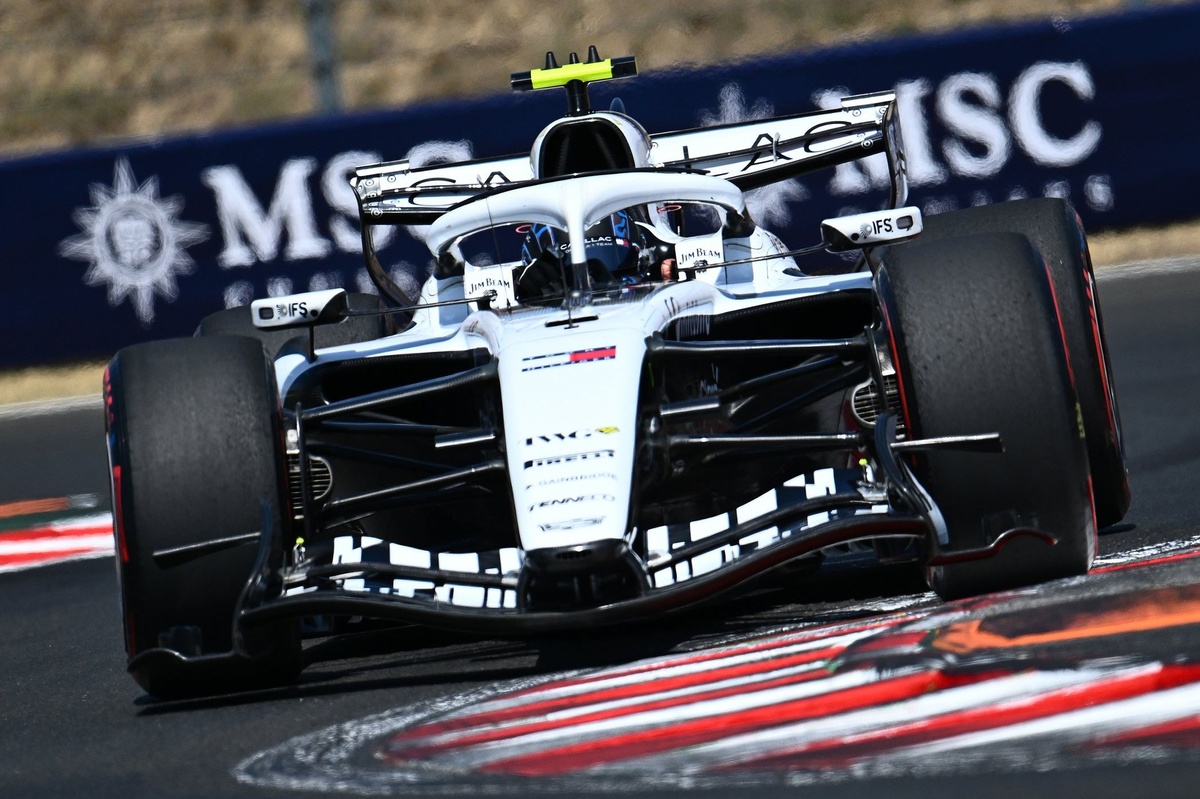
The Formula 1 summer break is supposed to be a quiet period, a time for teams and drivers to recharge before the season resumes. But Cadillac shattered that calm with a bombshell announcement on a Tuesday afternoon, just over a week before the Dutch Grand Prix at Zandvoort. Graeme Lowdon, the man who had been leading the team since its inception, was out. Marcin Budkowski, a former FIA technical director and Alpine executive, was in, effective immediately.
Team principal changes are not unusual in F1, but this one carries extra weight. Cadillac is a brand-new outfit, only in its first season, and Lowdon was more than just a team boss. He was the architect of the project, the one who helped bring the American giant into the sport and shaped its early identity. To replace him so abruptly, and so early, sends a clear signal that the team’s leadership is not satisfied with the current trajectory.
Why now?
The timing is particularly striking. The summer break is a natural point for reflection, but it is also a time when teams are finalising plans for the next season and beyond. Cadillac’s decision to act now suggests that the issues were not just about on-track performance but about the team’s direction and structure. With the 2026 regulations on the horizon, and Cadillac aiming to be competitive from the start, the leadership change could be a strategic move to align the team with a more experienced and technically minded leader.
Budkowski brings a different profile to the role. While Lowdon was a sporting and commercial figure, Budkowski is an engineer by training, with deep technical knowledge and a strong understanding of the FIA’s regulatory framework. He was instrumental in the development of the 2026 regulations during his time at the FIA, which could be invaluable for a new team trying to navigate the complexities of a major rule change. His experience at Alpine also gives him insight into the challenges of building a competitive team from the ground up, even if that project ultimately did not reach its full potential.
What does this mean for Cadillac?
The change is a bold statement of intent. Cadillac is not content to simply be a backmarker in its early years. The team wants to be a serious contender, and this move suggests that its leadership is willing to make difficult decisions to achieve that goal. Budkowski’s appointment could also be a sign that Cadillac is looking to strengthen its technical operations and improve communication between the track and factory, areas where Lowdon may have been less involved.
However, the suddenness of the change raises questions about the internal dynamics. Lowdon was a popular figure, and his departure could unsettle a team that has already faced the challenges of entering F1. The drivers, Valtteri Bottas and Zhou Guanyu, have been professional throughout, but they will now have to adapt to a new leadership style. The engineering staff, many of whom were hired by Lowdon, may also be wary of the shift.
Yet, Budkowski is no stranger to pressure. He has worked in high-stakes environments, and his reputation as a sharp, detail-oriented operator could help Cadillac make the most of its resources. The team has been competitive in midfield battles, but consistency has been an issue. Budkowski’s focus on process and reliability might be exactly what is needed to turn promising pace into regular points finishes.
The bigger picture
This change is also a reminder that F1 is a cutthroat business. Even a new team with strong backing is not immune to the relentless pursuit of performance. Cadillac’s owners, General Motors, have invested heavily in this project and expect results. They have seen how other new teams, like Haas, have struggled to progress, and they are determined not to repeat those mistakes. By bringing in a proven F1 insider, they are signalling that they are serious about competing at the highest level.
For the rest of the paddock, the move is a talking point. Some will see it as a sign of instability, while others will view it as a smart, forward-thinking decision. The immediate focus, though, will be on Zandvoort, where Budkowski will be in charge for the first time. The Dutch Grand Prix is a demanding circuit, and the results there could set the tone for the rest of the season.
In the end, this is a gamble. Budkowski has the credentials, but he has never been a team principal in F1. His success will depend on how quickly he can earn the trust of the team and build on the foundations that Lowdon laid. If he can, Cadillac might just surprise everyone. If not, the team will have to face the consequences of a bold but risky decision.