NASCAR Cup Series at Richmond: A Night of Strategy and Survival
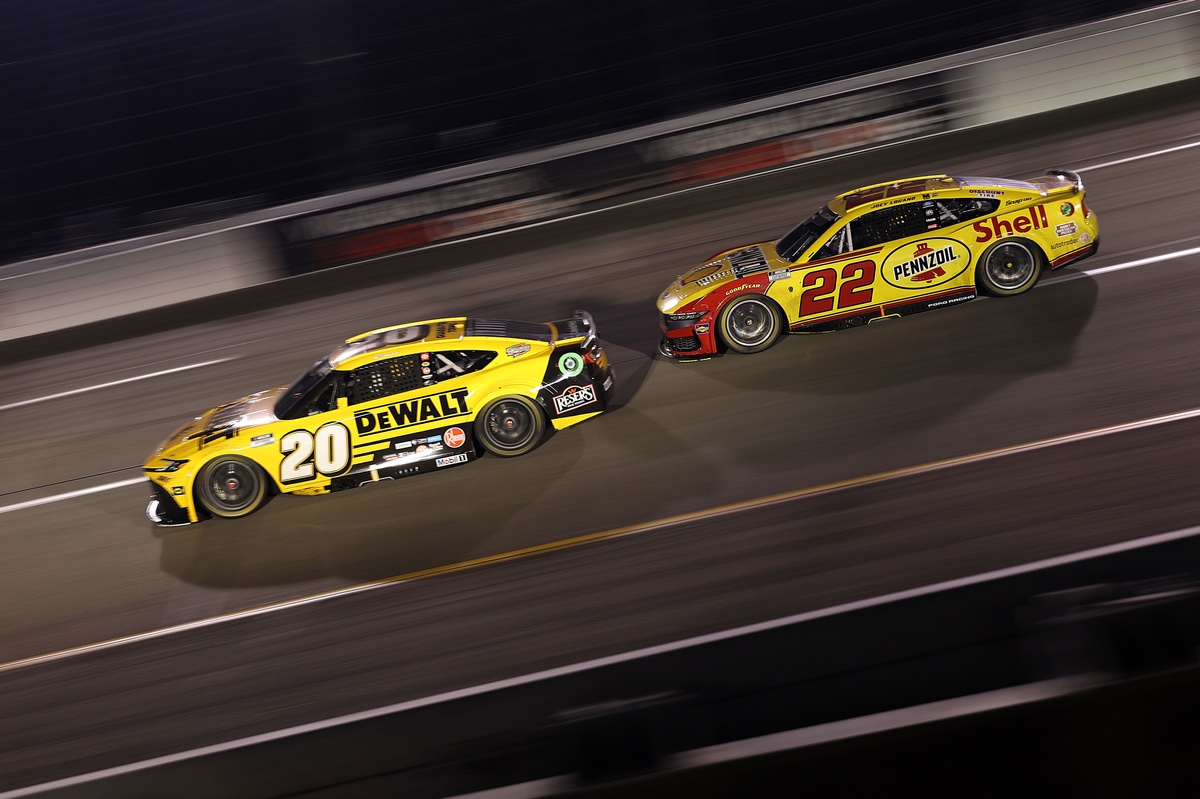
In the heat of a Saturday night battle at Richmond Raceway, Christopher Bell found himself on the wrong side of a strategic gamble—yet still walked away with a trophy-worthy result. The Joe Gibbs Racing driver finished second, but his post-race honesty was refreshing: the finish was ‘better than we deserved.’
The NASCAR Cup Series race at the 0.75-mile short track was a chess match, with tire wear and pit strategy playing pivotal roles. Bell and Tyler Reddick, two of the sport’s most aggressive and talented young stars, chose to roll the dice. As the field prepared for a final long run, they were the only two drivers committed to an alternate plan: stretch their fuel and tires to the limit, hoping to make it to the finish on one fewer pit stop than the rest of the leaders.
For a while, the gamble looked inspired. As the front-runners peeled off for their final scheduled stops, Bell inherited the lead, and for a brief, tantalizing moment, it seemed the bold call might pay off. But Richmond is a grueling test of tire management, and the extra laps on old rubber took their toll. Bell’s pace faded, and he slipped back in the closing stages, ultimately crossing the line second—a result that flattered the effort.
‘Better than we deserved,’ Bell admitted, his voice tinged with a mix of disappointment and realism. ‘We took a shot, and it didn’t work out. The car just didn’t have the grip at the end. To come home second is a bit of a gift, honestly.’
Reddick, who ran a similar strategy, also faded and finished further back, underscoring the high-risk, high-reward nature of the call. In a race where track position and clean air were at a premium, the two drivers who dared to be different were left to rue what might have been.
Strategy in the Modern NASCAR Era
The decision by Bell and Reddick highlights a growing trend in NASCAR: the willingness to gamble on strategy to overcome a perceived lack of raw pace. With the Next Gen car emphasizing parity, races often come down to pit calls and tire management rather than sheer horsepower. Richmond, with its abrasive surface and demanding corners, is a particularly fertile ground for such tactics.
Bell’s crew chief, Adam Stevens, is known for his aggressive play-calling, and Saturday night was no exception. The team clearly believed that a one-stop strategy could give them a shot at victory, especially if a late caution fell their way. But no caution came, and the math simply didn’t add up.
For Bell, the result was a bitter-sweet reminder of how close he is to breaking through. The 29-year-old has been a consistent front-runner this season, but victories have been elusive. Second place at Richmond adds to his points tally, but it’s clear he’s hungry for more.
‘We’re not here to finish second,’ he said. ‘We want to win races, and we’re putting ourselves in position. But we need to be better. We need to execute better, and I need to do a better job of saving my tires early in the run.’
What This Means for the Championship
From a championship perspective, Bell’s runner-up finish is a solid haul. He gained valuable points and remains firmly in the playoff picture. But the missed opportunity stings, especially when a win would have been a massive boost to his postseason aspirations.
Richmond also underscored the importance of adaptability. While Bell and Reddick were committed to their plan, the race winner—whoever it was—likely used a more conventional two-stop strategy, proving that sometimes the old ways are still the best.
As the NASCAR Cup Series moves on to the next round of races, Bell will take the positives from Richmond: a strong car, a smart team, and a driver willing to roll the dice. But he’ll also carry the lesson that in this era of parity, even the boldest gambles need a little luck.
For now, Bell’s honesty is a breath of fresh air. In a sport often dominated by clichés, his willingness to admit that the result flattered him is a sign of maturity. And if he can turn that self-awareness into better execution, the wins will come.
Richmond was a reminder that in NASCAR, the difference between glory and disappointment is often measured in inches—and tire tread. Bell and Reddick took a chance, and it didn’t pay off. But their willingness to try is exactly what makes this sport so compelling.