The motorsport world was caught off guard last month when ADAC Nordrhein unveiled plans for a brand-new endurance racing series based at the Nürburgring. What initially seemed like a routine press release quickly escalated into a seismic event, the aftershocks of which are still being felt across the paddock. The move is a high-risk game with enormous stakes for everyone involved, and it has thrown the future of the Nürburgring’s premier endurance championship into question.
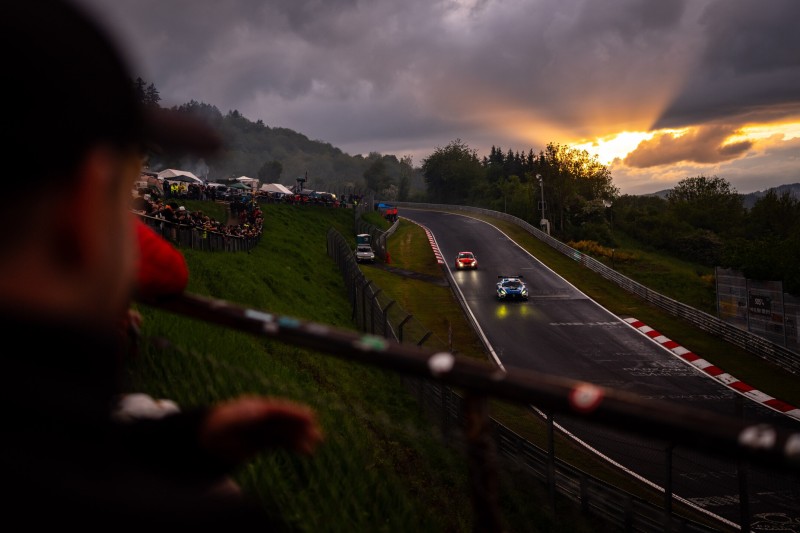
At the heart of the controversy is the Nürburgring Langstrecken-Serie (NLS), the legendary endurance series that has been a staple of the Green Hell since its inception. The NLS, organized by the VLN (Veranstaltergemeinschaft Langstreckenpokal Nürburgring), has weathered numerous storms over the decades, from economic downturns to regulatory upheavals. Yet this latest challenge feels different. The announcement of a rival series, backed by one of the most influential automotive clubs in Germany, has been described by insiders as a bombshell with fallout that is still settling.
A Fragile Existence
For the NLS, survival has always been a delicate balancing act. The series relies on a loyal but finite pool of amateur and semi-professional teams, many of whom are deeply attached to the unique character of racing on the Nürburgring’s Nordschleife. The VLN has managed to keep the series thriving through a combination of tradition, cost control, and a close relationship with the track’s operators. But the new series threatens to fragment that ecosystem, potentially luring away teams with promises of better exposure, revised regulations, or more favorable commercial terms.
What makes the situation particularly perilous is the identity of the challenger. ADAC Nordrhein is not a fringe organization; it is a regional branch of Germany’s largest automobile club, with deep pockets and extensive political connections. Its decision to enter the endurance racing arena suggests a calculated move to reshape the sport’s landscape, possibly with ambitions that extend beyond the Nürburgring. The VLN, for its part, is taking things remarkably calmly, at least publicly. Insiders suggest the organization is confident in the loyalty of its core participants, but privately, there must be concern about the long-term viability of a series that could see its grid shrink.
A Clash of Philosophies
The new series, tentatively referred to as the ADAC Nürburgring Endurance Series (ANES), is expected to feature a format that blends traditional endurance racing with modern entertainment elements. While specific details remain scarce, it is understood that the series will prioritize manufacturer involvement and media-friendly race weekends, potentially at the expense of the grassroots accessibility that has defined the NLS. This philosophical divergence could prove to be the crux of the conflict: one series rooted in tradition and accessibility, the other in spectacle and commercial growth.
For teams, the decision to align with one series or the other is not straightforward. The NLS offers a proven platform with a rich history and a dedicated fanbase, but it also faces challenges in adapting to the modern era, such as attracting younger audiences and securing lucrative sponsorship deals. The new series, by contrast, promises innovation and a fresh start, but it carries the risk of an unproven format and the potential for financial instability. Many teams are adopting a wait-and-see approach, reluctant to commit until they have a clearer picture of the new series’ regulations and calendar.
Implications for the Nürburgring
The stakes extend beyond the two series themselves. The Nürburgring is a venue that relies heavily on endurance racing for its economic vitality, particularly during the summer months. A fragmented calendar could lead to scheduling conflicts, reduced entries, and a dilution of the track’s brand identity. Moreover, the Nürburgring’s operators have historically worked closely with the VLN, and a new series backed by ADAC Nordrhein introduces a new player into the mix, potentially complicating existing agreements.
There is also the question of the broader endurance racing landscape. The NLS has long been a feeder series for the Nürburgring 24 Hours, one of the most prestigious endurance races in the world. If the new series undermines the NLS, it could have a ripple effect on the 24-hour race, which relies on a strong NLS calendar to prepare teams and drivers. This interconnectedness means that the fallout from ADAC Nordrhein’s move could be felt far beyond the NLS itself.
A High-Risk Game
For ADAC Nordrhein, the gamble is equally significant. Launching a new series from scratch requires substantial investment in infrastructure, marketing, and prize money. The club is betting that it can attract enough teams and manufacturers to make the series viable, but it is entering a market where the NLS has a decades-long head start in terms of goodwill and tradition. Failure would not only be financially costly but would also be a reputational blow for the club.
For the VLN, the challenge is to respond without appearing panicked or defensive. The organization has weathered challenges before, but this one is unique in its scale and the credibility of its backer. The VLN’s calm demeanor may be a strategic choice, allowing it to assess the situation before making any rash moves. However, if the new series gains traction, the VLN will need to adapt, whether by improving its own offerings or by seeking alliances with other stakeholders.
What Lies Ahead
As the dust settles, the endurance racing community is bracing for a period of uncertainty. Teams, drivers, and fans are all watching closely to see how the two series will coexist, or whether one will ultimately prevail. The coming months will be crucial, as both sides are expected to announce further details about their plans, including regulations, calendars, and prize structures.
One thing is clear: the stakes are enormous for everyone involved. The NLS’s survival is at stake, ADAC Nordrhein’s reputation is on the line, and the future of endurance racing at the Nürburgring hangs in the balance. In a sport where tradition and innovation often clash, this is a battle that could redefine the landscape for years to come. Whether it results in a healthy rivalry or a destructive split remains to be seen, but one thing is certain: the Green Hell is bracing for a fight.