Former Formula 1 driver Johnny Herbert has stirred the pot once again, this time targeting the most passionate supporters of reigning world champion Max Verstappen. In a recent interview, the British ex-racer did not mince words, labeling Verstappen’s diehard fanbase as “the worst” when it comes to abusive behavior. The comments have ignited a fresh debate about the increasingly toxic online environment surrounding F1’s biggest stars.
Herbert’s blunt assessment
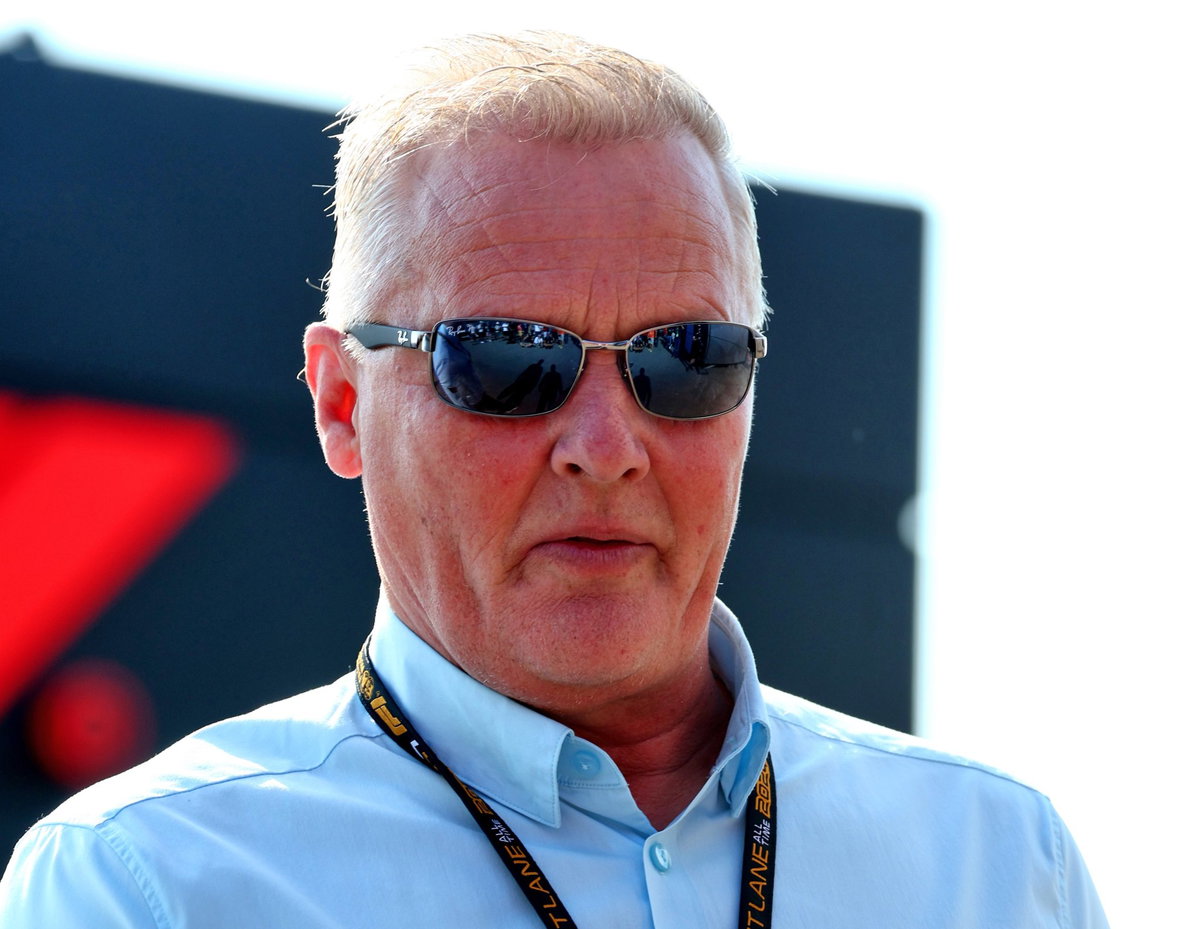
Herbert, who raced in F1 from 1989 to 2000 and later became a familiar voice in the paddock as a pundit, has never been shy about sharing his opinions. This time, his ire was directed at the segment of Verstappen’s followers who frequently engage in online harassment. Speaking on a motorsport podcast, Herbert said, “The diehard Max Verstappen fans are the worst. The abuse they throw around is just unacceptable. It’s not just criticism; it’s personal, it’s vicious, and it’s constant.”
The 61-year-old did not provide specific examples or name particular incidents, but his frustration was palpable. He went on to suggest that while all top drivers attract passionate supporters, the level of vitriol from Verstappen’s most extreme fans crosses a line that harms the sport’s reputation.
Context: A growing problem in F1
Herbert’s remarks come amid growing concern within the Formula 1 community about online toxicity. In recent years, drivers, team principals, and journalists have increasingly spoken out about the abuse they receive on social media platforms. The intense rivalries—particularly between Verstappen and Lewis Hamilton—have fueled tribalism that sometimes spills over into outright harassment.
Verstappen himself has often been the target of abuse from rival fans, but his own fanbase has also been accused of attacking critics, journalists, and even other drivers. The Dutch driver’s dominant title campaigns have only intensified the fervor, with some supporters viewing any criticism of their hero as a personal affront.
Herbert, who has been a vocal critic of Verstappen’s aggressive driving style in the past, is no stranger to backlash. He previously faced a torrent of abuse after questioning a controversial move by Verstappen during a race. That experience seems to have shaped his current stance.
The impact on the sport
The issue is not just about hurt feelings. Online abuse can have real-world consequences, from affecting mental health to discouraging young talent from entering the sport. F1 has launched campaigns to promote respect and inclusivity, but the problem persists. Herbert’s comments highlight the need for stronger action from both fans and governing bodies.
“We all love the passion,” Herbert added. “But there’s a difference between supporting your driver and becoming a bully. When you see the kind of abuse that gets thrown around, it makes you wonder if people have forgotten that this is just a sport.”
His words echo those of other figures in the paddock. Toto Wolff, Mercedes team principal, has previously called for social media companies to do more to combat hate speech. Meanwhile, the FIA has introduced measures to protect drivers from online threats, including monitoring software and reporting protocols.
Verstappen’s response
Verstappen himself has not directly responded to Herbert’s latest comments, but he has in the past condemned online abuse while also defending his fans. In a 2023 press conference, he said, “I can’t control what people do on social media. I appreciate the support, but I don’t condone any kind of abuse.” That nuanced stance has done little to quell the criticism, as many argue that drivers should do more to call out toxic behavior within their own fanbases.
A broader problem
While Herbert singled out Verstappen’s fans, he acknowledged that the problem is not unique to them. “It’s a societal issue,” he noted. “But in F1, it’s become particularly bad. The anonymity of the internet gives people a license to say things they’d never say in person.” He urged fans to channel their passion into positive support rather than negativity.
The debate shows no signs of cooling down, especially as the 2026 season approaches with Verstappen still chasing more titles. For now, Herbert’s outspoken assessment has added another layer to the ongoing conversation about how to make F1 a more welcoming environment for everyone.
As the sport continues to grow globally, the behavior of its most vocal fans will remain under scrutiny. Whether Herbert’s words will prompt any meaningful change remains to be seen, but they have certainly reignited the discussion. In the high-octane world of Formula 1, the battles are not just on the track—they’re also in the digital arena, where the most passionate supporters can sometimes be the sport’s greatest asset or its biggest liability.