

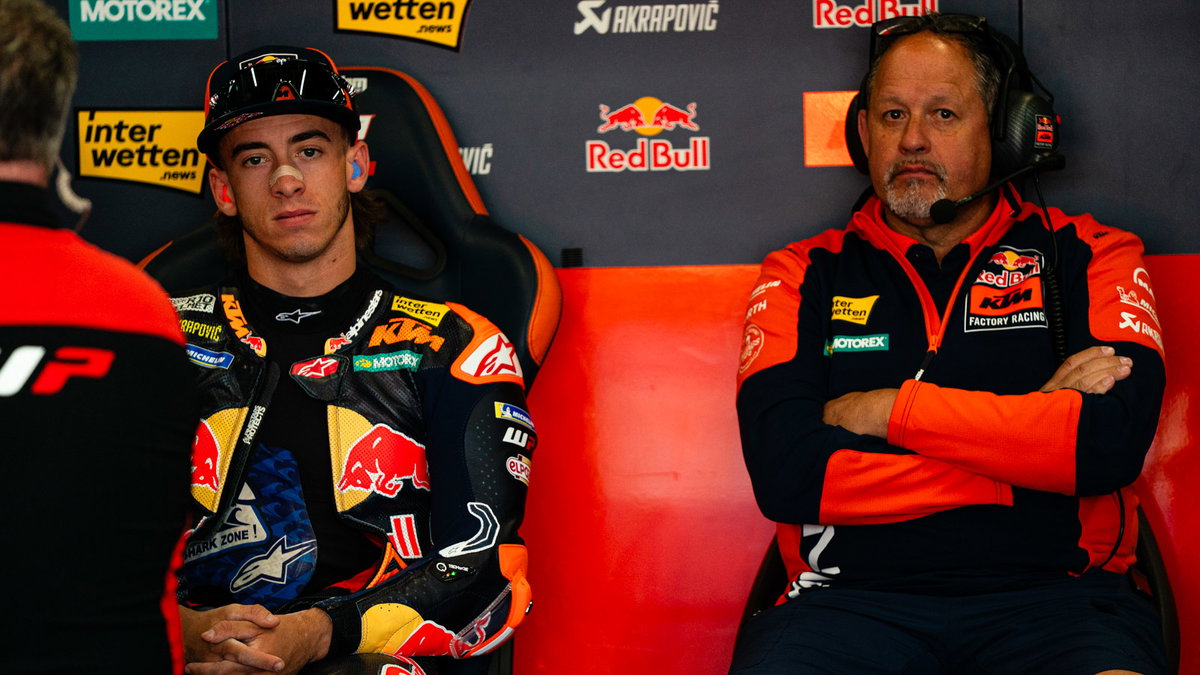
MotoGP riders have been testing a new iteration of the in-helmet radio earplugs, and early feedback suggests the latest design is a significant step forward. Pedro Acosta, the rising star of the premier class, has given the revised earplugs a positive review, noting that they are now far more comfortable than the earlier prototypes.
The introduction of radio communication in MotoGP has been a gradual process, with the series aiming to enhance safety and fan engagement by allowing riders to receive real-time information from their teams. However, the initial earplug designs faced criticism for being bulky and uncomfortable, which hindered rider acceptance. The latest version, which has been refined based on rider feedback, appears to address those concerns.
Comfort as a Priority
Comfort is paramount in MotoGP, where riders endure extreme physical stress and need to maintain focus for the entire race distance. A poorly fitting earplug can cause distractions, discomfort, and even pain, which could affect performance. Acosta, who is known for his meticulous approach to setup and equipment, highlighted the improvement in comfort as a key factor in the new design.
“The new earplugs are far more comfortable than the earlier versions,” Acosta said. “It’s a big step forward. The fit is better, and they don’t cause the same level of pressure or irritation. This is important because we need to be able to concentrate fully on riding, and any distraction can be costly.”
Technical Refinements
While specific technical details of the revised earplug design have not been fully disclosed, it is understood that the new version has a slimmer profile and uses softer materials that conform more naturally to the ear canal. The earlier designs were often criticized for being too rigid and protruding, which caused discomfort during long stints. The revised version aims to reduce bulk while maintaining clear audio quality and reliable communication.
MotoGP’s radio system is part of a broader initiative to modernize the sport and bring it closer to fans. The ability for riders to communicate with their teams in real time could open up new possibilities for race strategy and safety warnings. However, the implementation has been cautious, with a focus on ensuring that the technology does not become a distraction or compromise rider safety.
Rider Feedback and Development
The development of the earplugs has involved extensive collaboration between MotoGP officials, technical partners, and riders. Acosta’s positive feedback is a promising sign that the latest iteration may be ready for wider adoption. Other riders have also reportedly expressed more favorable opinions, though some remain cautious about potential issues such as wind noise and the ability to hear ambient sounds, which are crucial for situational awareness.
Acosta’s endorsement carries weight, as he is one of the most promising young talents in the sport. His willingness to embrace the new technology could influence other riders to give it a fair trial. The Spanish rider has been open about his initial skepticism, but his recent comments suggest that the revised design has won him over.
Looking Ahead
The next phase of testing will likely involve more extensive use during practice sessions and possibly races, depending on how quickly the system can be integrated into the existing race weekend format. MotoGP has been cautious about introducing new technology, preferring to ensure that it is fully reliable and beneficial before making it mandatory.
For now, the positive reception from riders like Acosta is a good indicator that the radio earplugs are on the right track. The sport continues to evolve, and innovations like this could become a standard feature in the future, enhancing the experience for riders and fans alike.
As the season progresses, more riders will have the opportunity to test the revised earplugs, and their feedback will be crucial in shaping the final version. With Acosta’s seal of approval, the revised design seems poised to overcome the earlier hurdles and become a viable tool for the world’s fastest motorcycle racers.


