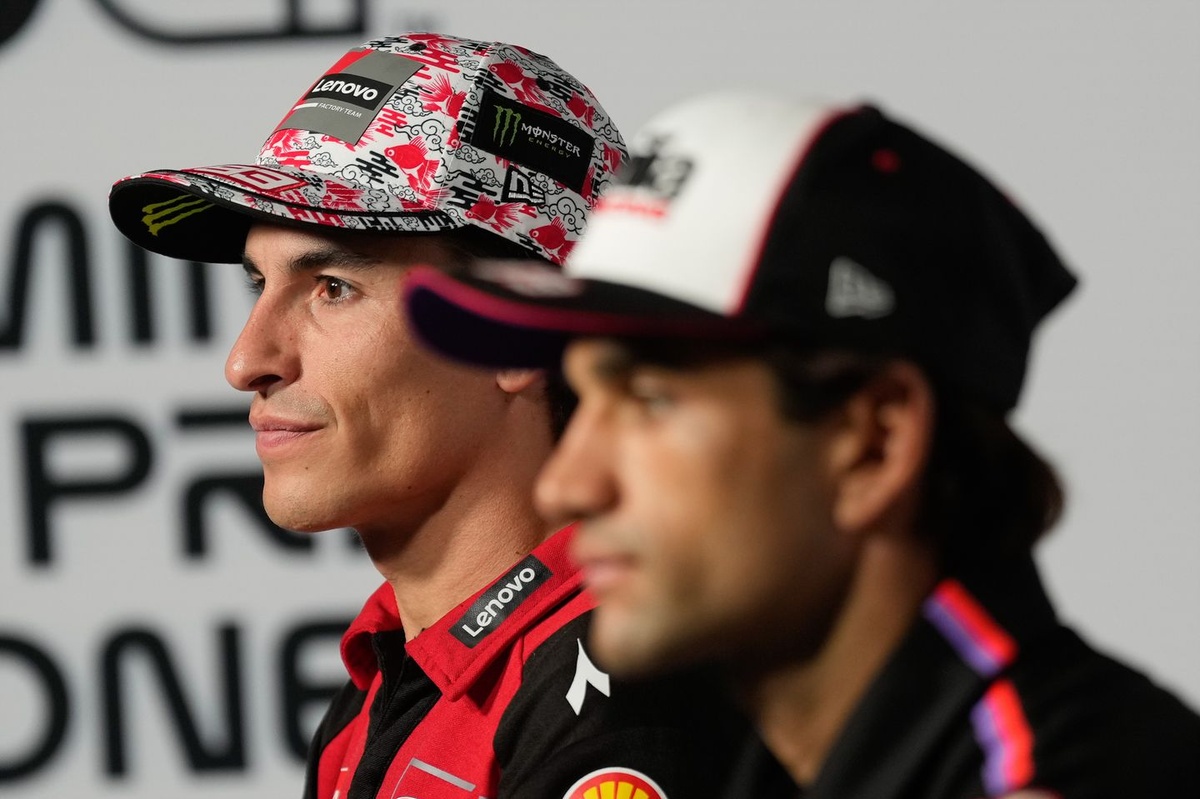
มาร์ก มาร์เกซ กล่าวชื่นชมฮอร์เก มาร์ติน อย่างจริงใจ โดยเรียกนักบิด Aprilia รายนี้ว่าเป็นสุดยอดพรสวรรค์ ขณะที่ศึกชิงแชมป์ MotoGP ปีนี้กำลังกลายเป็นเกมสองคนระหว่างนักบิดสเปนด้วยกันอย่างชัดเจน
คำชมนี้มีน้ำหนักเมื่อมองพัฒนาการของฤดูกาล มาร์เกซย้ายมาอยู่ Ducati พร้อมโมเมนตัมที่บ่งชี้ว่าเขาอาจกลับไปครองความยิ่งใหญ่เหมือนปีก่อน แต่สถานการณ์กลับไม่เปิดโอกาสให้เขามีแต้มนำห่างเหมือนเดิม
ฤดูกาลเปลี่ยนโฉมจากอาการบาดเจ็บและการยกระดับของ Aprilia
สองปัจจัยรวมกันทำให้การชิงแชมป์กระชับขึ้น ปัจจัยแรกคืออาการบาดเจ็บที่ไหล่ของมาร์เกซ ซึ่งจำกัดความสามารถของดาว Ducati ในการกดดันทุกสุดสัปดาห์เหมือนที่เคยทำได้เมื่อปีที่แล้ว ปัจจัยที่สองคือฟอร์มที่ดีขึ้นของ Aprilia ซึ่งมอบเครื่องยนต์ที่ทำให้มาร์ตินสามารถต่อสู้ในกลุ่มผู้นำได้อย่างสม่ำเสมอมากขึ้น
ผลลัพธ์คือภาพการชิงแชมป์ที่ต่างจากที่หลายคนคาดไว้ มาร์เกซนำตารางคะแนนเพียงช่วงสั้นๆ ในปีนี้ ซึ่งเป็นรายละเอียดที่น่าสนใจสำหรับนักบิดระดับเขา และตอกย้ำว่าการถูกคัดเลือกให้อยู่ในกลุ่มหัวแถวนั้นแข่งขันกันสูงเพียงใด
สปรินต์เรซที่มันดาลิกาคือบทล่าสุดของศึกดวลครั้งนี้ โดยเรซสั้นวันเสาร์ยังคงมีบทบาทสำคัญอย่างมากในการกำหนดตารางคะแนนตลอดฤดูกาล ผลสปรินต์พิสูจน์ให้เห็นซ้ำแล้วซ้ำเล่าว่าเป็นตัวชี้ขาดใน MotoGP ยุคปัจจุบัน และศึกชิงแชมป์ปีนี้ก็ไม่ใช่ข้อยกเว้น
ทำไมการดวลครั้งนี้จึงสำคัญ
มาร์เกซและมาร์ตินเป็นตัวแทนของสองเส้นทางที่แตกต่างกันในพิตเลน มาร์เกซคือมาตรฐานที่มั่นคง นักบิดที่การย้ายมาอยู่ Ducati ถูกมองว่าจะตอกย้ำการกลับสู่จุดสูงสุด ส่วนมาร์ตินสร้างชื่อในฐานะหนึ่งในนักบิดที่เร็วและกล้าหาญที่สุดแห่งรุ่น และการย้ายมาอยู่ Aprilia ของเขาก็เกิดขึ้นพร้อมกับก้าวกระโดดของผู้ผลิต
การผสมผสานนี้ทำให้ศึกชิงแชมป์ไม่ใช่แค่การแข่งขันคะแนนธรรมดา แต่เป็นการทดสอบว่ามาร์เกซจะรับมือกับข้อจำกัดทางร่างกายwhileป้องกันตำแหน่งจากคู่แข่งที่มีความเร็วจริงได้หรือไม่ และมาร์ตินจะเปลี่ยนความก้าวหน้าของ Aprilia ให้เป็นแชมป์ในระดับสูงสุดได้หรือไม่
การที่มาร์เกซยอมชื่นชมคู่แข่งต่อสาธารณะถือว่าน่าสนใจในกีฬาที่การชิงแชมป์มักนำมาซึ่งความตึงเครียด คำกล่าวของเขาที่ว่ามาร์ตินเป็นสุดยอดพรสวรรค์สะท้อนการตระหนักถึงความท้าทายที่เผชิญ และทำให้รอบที่เหลือเป็นการดวลระหว่างนักบิดที่อยู่ในจุดสูงสุดของความสามารถ มากกว่าการป้องกันสถานะแบบตรงไปตรงมา
สิ่งที่ต้องจับตาต่อไป
- ไหล่ของมาร์เกซจะทำให้เขารักษาการท้าชิงได้ตลอดระยะเรซเต็มหรือไม่ โดยเฉพาะในรอบสุดท้าย
- Aprilia จะรักษาฟอร์มที่ดีขึ้นได้บนสนามที่เคยเป็นใจให้ Ducati หรือไม่
- สปรินต์เรซจะยังส่งผลต่อช่องว่างระหว่างนักบิดสเปนทั้งสองต่อไปอย่างไร
- จะมีนักบิดคนอื่นแทรกเข้ามาในการดวลสองคนนี้ได้หรือไม่
เมื่อการชิงแชมป์กลายเป็นศึกระหว่างมาร์เกซกับมาร์ติน ทุกเซสชันจึงมีความหมายมากขึ้น ช่องว่างเล็กน้อย รูปแบบสปรินต์ให้รางวัลกับความดุดัน และนักบิดทั้งสองรู้ดีว่าความผิดพลาดเพียงครั้งเดียวอาจพลิกแชมป์ได้
สำหรับมาร์เกซ ภารกิจคือการจัดการสภาพร่างกายwhileเก็บคะแนนให้ได้มากที่สุดจาก Ducati ที่ยังแข็งแกร่ง สำหรับมาร์ติน โอกาสคือการพิสูจน์ว่าการฟื้นตัวของ Aprilia ไม่ใช่แค่ช่วงพีกชั่วคราว และเขาสามารถยันนักบิดที่ประสบความสำเร็จมากที่สุดคนหนึ่งของวงการไว้ได้ตลอดทั้งฤดูกาล
คำชื่นชมที่ทั้งสองมีให้กันไม่ได้ทำให้การแข่งขันเบาลงเลย หากแต่ตอกย้ำว่าคือการดวลระหว่างนักบิดที่เคารพในสิ่งที่อีกฝ่ายนำมาสู่กริด และเข้าใจว่าแชมป์จะตัดสินด้วยรายละเอียดเล็กๆ ไม่ใช่ด้วยชื่อเสียง
เมื่อฤดูกาลเดินเข้าสู่รอบที่เหลือ ความสนใจจะยังจับอยู่ที่นักบิดสเปนทั้งสองที่หัวแถว คำพูดของมาร์เกซเกี่ยวกับมาร์ตินเป็นตัวกำหนดโทน: นี่คือการต่อสู้ระหว่างแชมป์ที่มั่นคงกับนักบิดที่เขามองว่าเป็นพรสวรรค์พิเศษ และผลลัพธ์ยังห่างไกลจากความชัดเจน