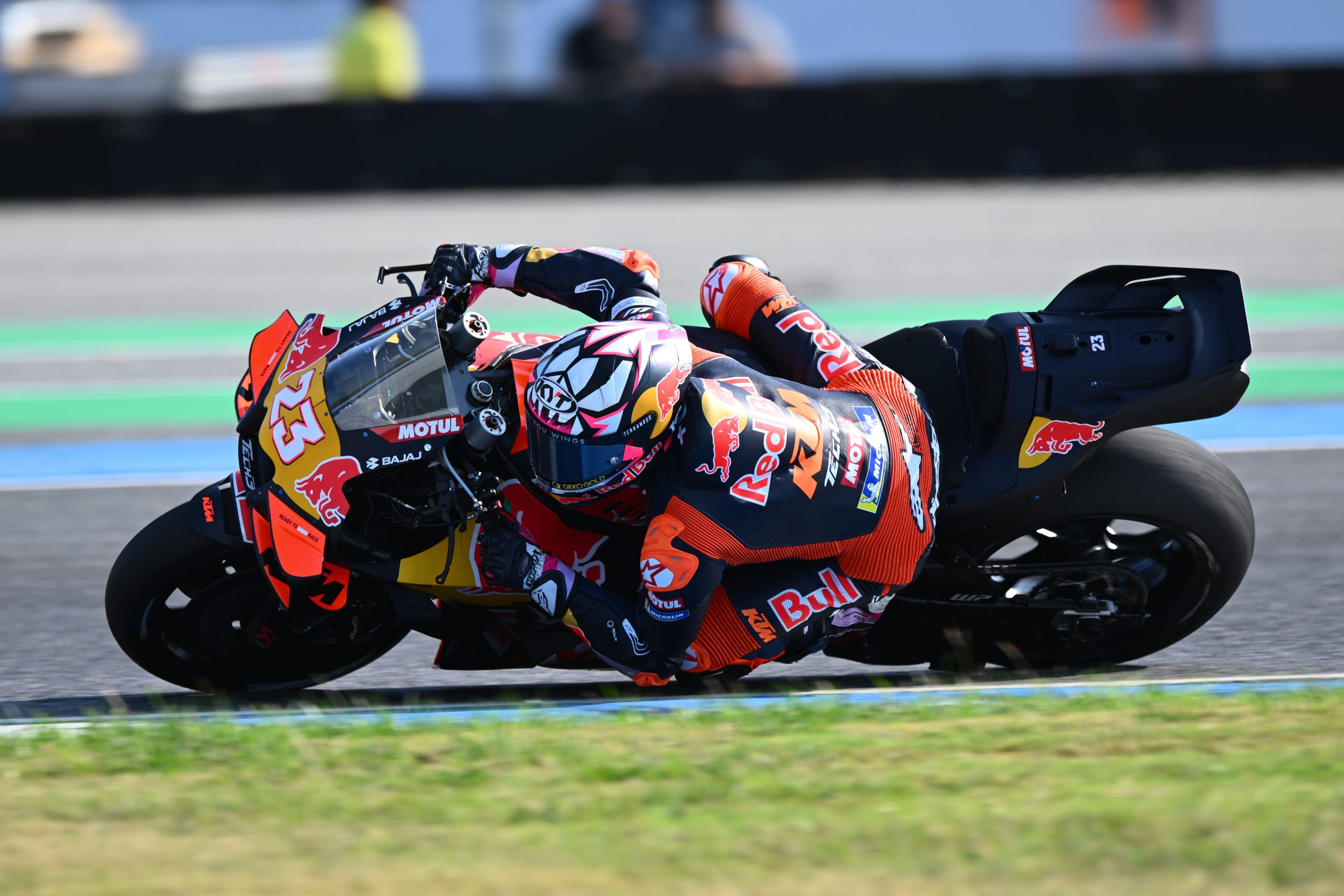
เอเนีย บาสเตียนินี ออกโรงเรียกร้องให้ MotoGP ทบทวนแผนการทดสอบก่อนฤดูกาล 2027 กันใหม่ โดยนักแข่งชาวอิตาลีที่กำลังจะอำลาทีม KTM รายนี้ต้องการให้มีการเปลี่ยนแปลงครั้งสำคัญจากกำหนดการปัจจุบัน คำกล่าวของเขามีขึ้นในช่วงที่การแข่งขันกำลังก้าวเข้าสู่ยุคเทคนิคใหม่ และจุดประเด็นคำถามเดิม ๆ เกี่ยวกับเวลาที่นักแข่งและโรงงานผู้ผลิตควรจะได้รับก่อนฤดูกาลที่สำคัญเช่นนี้
ประเด็นหลักชัดเจน: บาสเตียนินีเชื่อว่าแผนการทดสอบก่อนฤดูกาล 2027 ที่มีอยู่ไม่เหมาะสมกับวัตถุประสงค์ และต้องการให้ซีรีส์พิจารณาการแก้ไขครั้งใหญ่ รายละเอียดข้อเสนอของเขายังไม่เป็นที่เปิดเผย แต่จังหวะเวลาของความคิดเห็นนั้นบอกอะไรได้มาก เมื่อการรีเซ็ตกฎระเบียบกำลังจะมาถึง ทุกชั่วโมงของการทดสอบมีน้ำหนักเป็นพิเศษ และนักแข่งมักเป็นกลุ่มแรกที่รู้สึกได้ว่าปฏิทินทำให้พวกเขาขาดอะไรไป
ทำไมปี 2027 ถึงสำคัญนัก
MotoGP กำลังเข้าสู่ช่วงของการเปลี่ยนแปลงทางเทคนิคครั้งสำคัญ และการทดสอบก่อนฤดูกาลคือหน้าต่างหลักที่ทีมและนักแข่งจะได้ทำความเข้าใจแพ็กเกจใหม่ก่อนที่แรงกดดันในการแข่งขันจะเริ่มต้น เมื่อกฎเปลี่ยน จุดอ้างอิงเดิม ๆ ก็หายไป การตั้งค่าที่เคยใช้ได้ผลมาหลายปีอาจใช้ไม่ได้อีกต่อไป ยางและอิเล็กทรอนิกส์อาจทำงานแตกต่างออกไป และโปรแกรมฤดูหนาวของโรงงานก็สามารถกำหนดทิศทางทั้งฤดูกาลได้
นั่นทำให้โครงสร้างการทดสอบไม่ใช่แค่รายละเอียดทางการบริหาร แต่เป็นตัวกำหนดว่านักแข่งจะได้กี่รอบเพื่อสร้างความมั่นใจ วิศวกรจะเก็บข้อมูลได้มากแค่ไหน และทีมเล็ก ๆ จะสามารถปิดช่องว่างกับทีมชั้นนำได้หรือไม่ การเรียกร้องให้เปลี่ยนแปลงครั้งใหญ่ของบาสเตียนินีบ่งชี้ว่าเขาไม่เชื่อว่าแผนปัจจุบันให้นักแข่งสิ่งที่พวกเขาต้องการมากพอในโมเมนต์วิกฤตเช่นนี้
มุมมองของนักแข่ง
จุดยืนของบาสเตียนินีน่าสนใจเป็นพิเศษเพราะสถานการณ์ของตัวเขาเอง ในฐานะนักแข่ง KTM ที่กำลังจะอำลาทีม เขาพูดจากภายในพิตเลนขณะที่อนาคตของเขาอยู่ที่อื่น ซึ่งทำให้ความคิดเห็นของเขามีมิติที่กว้างขึ้นและเห็นแก่ตัวน้อยลง นักแข่งในสถานการณ์เช่นนี้มักพูดถึงทิศทางของกีฬาได้อย่างอิสระกว่า และความเต็มใจของเขาที่จะผลักดันการเปลี่ยนแปลงเชิงโครงสร้างสะท้อนถึงความกังวลที่เกินกว่าตารางฤดูหนาวของทีมใดทีมหนึ่ง
การทดสอบยังเป็นประเด็นด้านความปลอดภัยและการพัฒนาของนักแข่งอีกด้วย เวลาบนแทร็กที่มีความหมายมากขึ้นสามารถช่วยให้คู่แข่งปรับตัวเข้ากับเครื่องจักรใหม่ก่อนที่ไฟสัญญาณจะดับจริง ลดความเสี่ยงของอุบัติเหตุในช่วงต้นฤดูกาลที่เกิดจากความไม่คุ้นเคย ในทางกลับกัน โปรแกรมที่ถูกบีบอัดจะให้น้ำหนักกับประสบการณ์และทรัพยากร ซึ่งอาจขยายช่องว่างระหว่างทีมที่มีกับทีมที่ไม่มี
การถกเถียงที่กว้างขึ้น
การเปลี่ยนแปลงใด ๆ ต่อการทดสอบก่อนฤดูกาลต้องสร้างสมดุลระหว่างผลประโยชน์ที่ขัดแย้งกัน โรงงานต้องการเวลาวิ่งเพียงพอเพื่อตรวจสอบเทคโนโลยีใหม่ นักแข่งต้องการรอบเพื่อสร้างความรู้สึกและความมั่นใจ ขณะที่ผู้จัดการแข่งขันต้องชั่งน้ำหนักต้นทุน โลจิสติกส์ และความปรารถนาที่จะรักษาการแข่งขันให้competitive แทนที่จะปล่อยให้ผู้ผลิตหนึ่งคว้าความได้เปรียบในช่วงฤดูหนาว
การผลักดันของบาสเตียนินีเพิ่มเสียงของนักแข่งคนสำคัญเข้าไปในการสนทนานั้น มันไม่ได้ยุติข้อโต้แย้ง แต่ทำให้แน่ใจว่าคำถามเรื่องวิธีที่ MotoGP เตรียมพร้อมสำหรับปี 2027 จะถูกถกเถียงแทนที่จะถูกยอมรับโดยปริยาย สำหรับกีฬาที่กำลังจะเข้าสู่บทใหม่ทางเทคนิค การตรวจสอบเช่นนี้เป็นเรื่องที่ดีต่อสุขภาพ
สิ่งที่เกิดขึ้นต่อไปจะขึ้นอยู่กับว่าผู้ตัดสินใจของซีรีส์ให้ความสำคัญกับเสียงเรียกร้องให้เปลี่ยนแปลงมากแค่ไหน สิ่งที่ชัดเจนแล้วคือช่วงก่อนปี 2027 จะถูกกำหนดด้วยการเตรียมพร้อมพอ ๆ กับตัวเครื่องจักร และบาสเตียนินีต้องการให้นักแข่งมีสิทธิ์มีเสียงอย่างเหมาะสมในการกำหนดโครงสร้างการเตรียมพร้อมนั้น