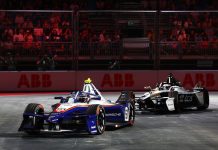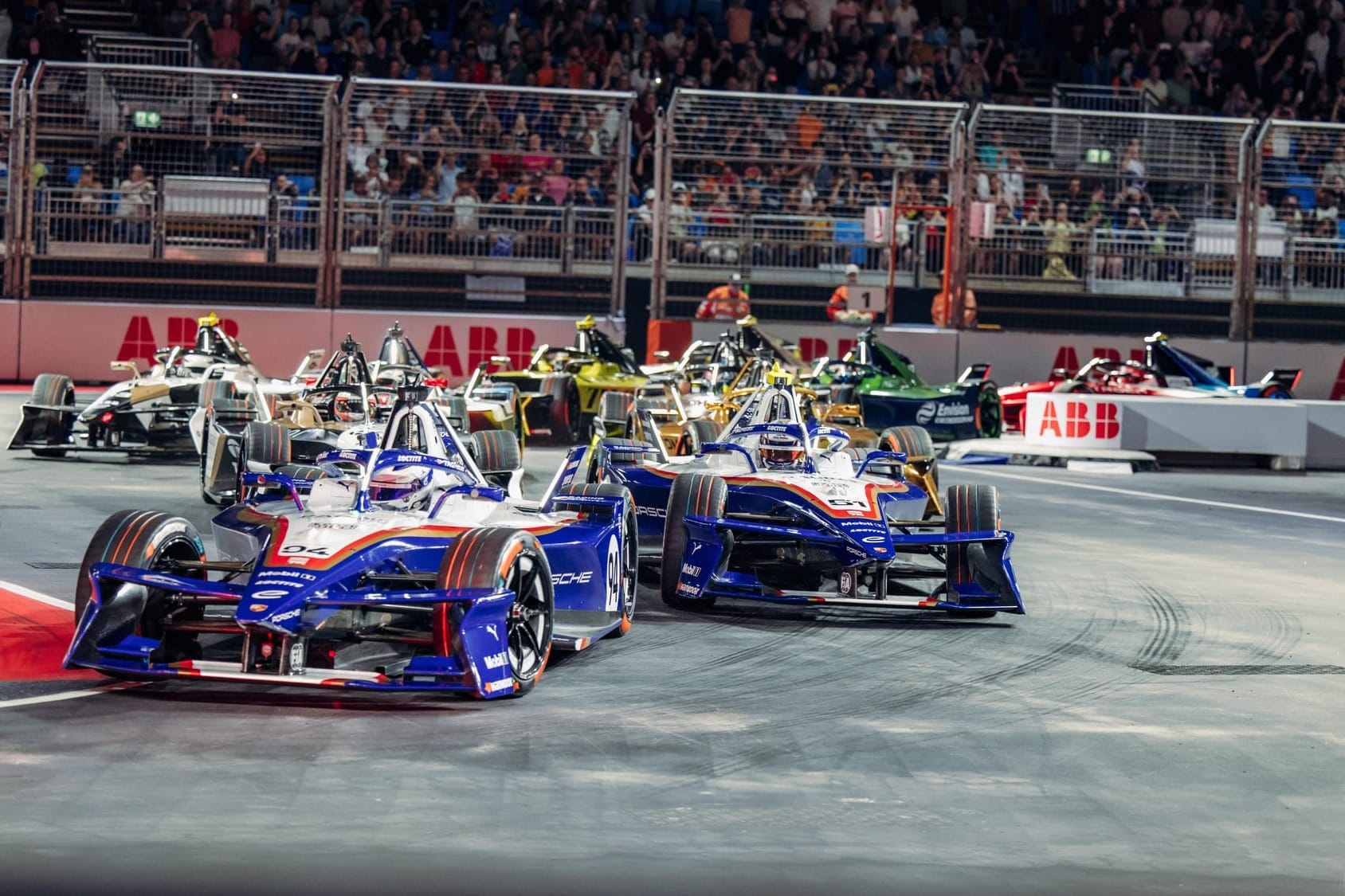
The Formula E season ended not with a whimper but with a roar of controversy, as the London E-Prix at the Excel centre delivered a finale that will be remembered for its high-stakes team orders and simmering personal feuds. What promised to be a straightforward coronation for Porsche’s Pascal Wehrlein turned into a chaotic battle that saw the championship lead change hands before he ultimately clinched his second title.
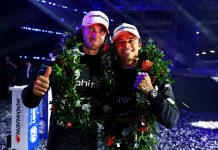
Porsche entered the weekend as the clear favourite, but their path to glory was anything but smooth. The German manufacturer deployed every tool at its disposal, including orchestrating its works driver Nico Mueller to act as a moving roadblock for Wehrlein’s rivals. This aggressive team play, while within the rules, drew sharp criticism from across the paddock, with many accusing Porsche of crossing an unwritten line of sportsmanship. Yet, in the cutthroat world of motorsport, victory often trumps sentiment, and Wehrlein’s emphatic celebration in parc ferme was a defiant response to his detractors.
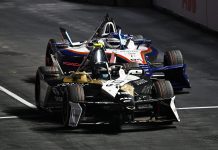
The real fireworks, however, were reserved for the on-track rivalry between Wehrlein and Antonio Felix da Costa, a feud that has been burning since their days as teammates in 2024. The pair’s mutual animosity boiled over in the closing laps, with da Costa, driving for Jaguar, seemingly willing to sacrifice his own race to disrupt Wehrlein’s title charge. The contact between them cost both drivers penalties that will carry into the next generation of Formula E, but it was Wehrlein who emerged with the ultimate prize.
Jaguar, for their part, had their own reasons to celebrate and complain. The British squad secured the teams’ championship, a deserving reward for a season of strong performances, but they also found themselves embroiled in the same tactical squabbles. Team principal Ian James defended his drivers’ actions, insisting that the on-track driving was fair and respectful, even as the rivalry between da Costa and Wehrlein threatened to overshadow the championship outcome.
While the title protagonists grabbed the headlines, the race also produced notable heroes and heartbreaks elsewhere. Andretti’s Jake Dennis, the first Gen3 champion, saw his hopes of a second title dashed when Wehrlein made contact with him during the race. Dennis had been executing a brilliant energy-saving strategy from 16th on the grid, but the collision ended his charge. Despite the disappointment, Dennis, who is expecting his first child, took the setback in stride, acknowledging that his perspective had shifted with fatherhood.
Mahindra, on the other hand, emerged as the feel-good story of the weekend. After a difficult start to the Gen3 era, the Indian-flagged team secured a stunning double podium and third place in the teams’ standings. Their turnaround was a testament to their resilience and technical improvements, with team principal Frederic Bertrand praising the squad’s never-say-die attitude. The result provided a massive boost of confidence as they prepare for the Gen4 era.
For Nissan, the finale was a bitter disappointment. Oliver Rowland’s slim title hopes evaporated as the car struggled on the tight London track, leaving the team to reflect on what might have been. The season’s end also marked a changing of the guard, with several drivers bidding farewell to their teams and the series preparing for a new technical era.
The London finale was a microcosm of Formula E’s unique appeal: a blend of cutting-edge technology, strategic complexity, and raw human emotion. It showcased the sport’s ability to produce drama and controversy in equal measure, leaving fans and insiders alike debating the ethics of team orders and the fine line between competitive aggression and outright sabotage. As the dust settles, one thing is certain: Formula E’s move to Gen4 will have to live up to the excitement of this unforgettable season-ending clash.