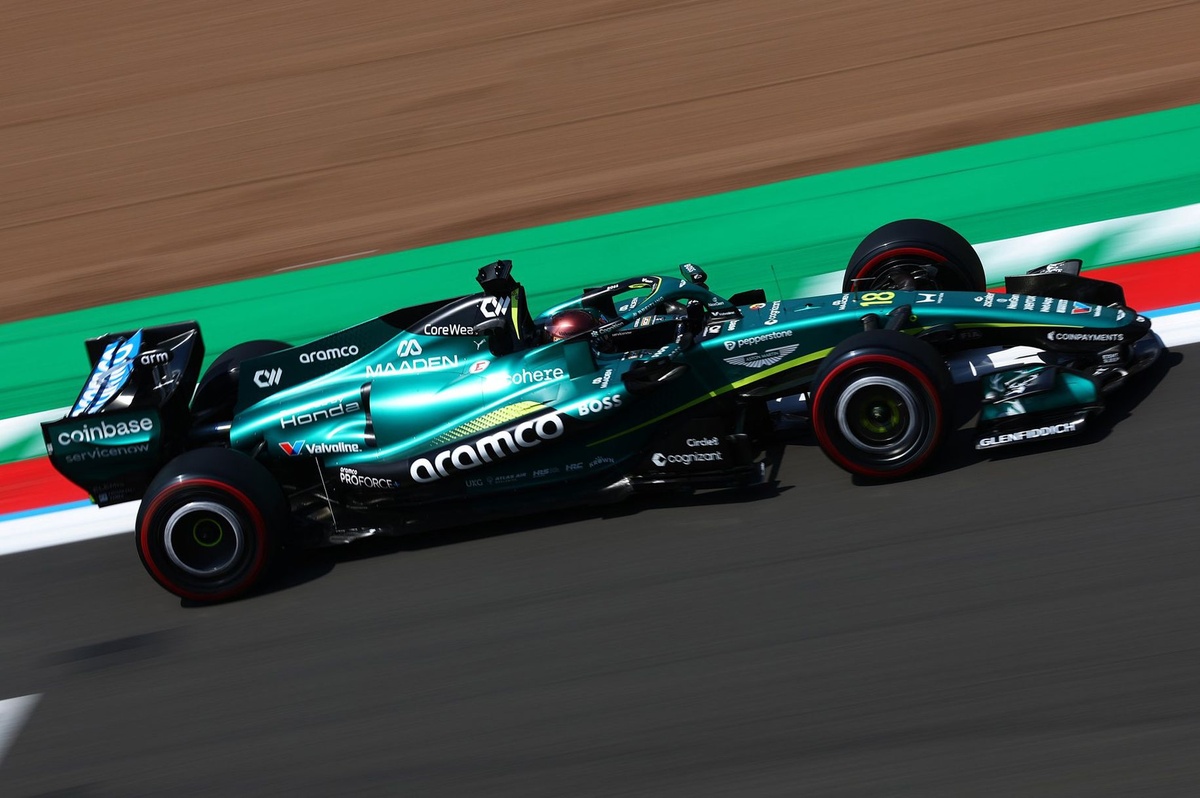
Honda’s return to Formula 1 as a full works partner with Aston Martin has not gone according to plan. The first few months have been described as ‘downright painful’, with the Japanese manufacturer facing a steep learning curve. But now, with a clear vision and a structured roadmap, Honda is setting its sights on returning to the front of the grid.
A New Beginning with Familiar Challenges
Honda’s previous F1 era with Red Bull was marked by remarkable success, including multiple world championships. That chapter ended in 2021, but the company never truly left the sport, continuing to supply engines under Red Bull’s own branding. Now, as Aston Martin’s official power unit partner starting in 2026, Honda has embarked on a fresh adventure.
However, the transition has been anything but smooth. The new project is fundamentally different from the Red Bull days, particularly in terms of personnel. Honda has had to build a new team, integrate with a new chassis partner, and adapt to the latest regulations. The scale of the challenge became apparent as early as January, when Honda’s leadership realised that the start of this new era would be problematic.
In fact, the issues have proven even more severe than initially anticipated. The early races of the 2026 season have highlighted reliability concerns and performance gaps, leaving Aston Martin and Honda well off the pace set by the leading teams. For a manufacturer with Honda’s pedigree, this is a humbling experience.
Learning from the Past, Looking to the Future
Honda’s history in F1 is a story of resilience. The company has faced setbacks before, including the infamous 2015-2017 period with McLaren, which was plagued by poor performance and reliability. Yet Honda bounced back to dominate with Red Bull. That experience has taught the company valuable lessons about patience, development, and the importance of a long-term strategy.
Now, Honda is applying those lessons to its Aston Martin partnership. The manufacturer has acknowledged that success will not come overnight. Instead, it has laid out a clear timeline to become a ‘top competitor’ again. While specific milestones have not been publicly detailed, the general direction is clear: steady progress through development, with a focus on closing the gap to the front-runners over the coming seasons.
Key to this effort is the personnel structure. Honda has been actively hiring and restructuring its F1 division, bringing in fresh talent and experienced engineers. The company is also investing heavily in simulation tools and testing infrastructure, recognising that modern F1 is as much about off-track development as it is about on-track performance.
The Road Ahead
The immediate goal for Honda and Aston Martin is to establish a solid baseline. The 2026 season is effectively a learning year, with the team gathering data and understanding the new power unit’s characteristics. From there, incremental upgrades are planned, with the aim of moving up the order in 2027 and challenging for podiums by 2028.
Honda’s management remains confident, citing the strong partnership with Aston Martin and the shared ambition to fight at the front. The team’s leadership, including figures like Lawrence Stroll, has been supportive, understanding that building a winning combination takes time.
For fans, this means patience. But the promise of a resurgent Honda-Aston Martin alliance is tantalising. The combination of a legendary manufacturer and a determined, well-funded team has the potential to shake up the F1 hierarchy in the years to come.
As Honda looks ahead, it does so with the knowledge that its past successes were born from adversity. The painful start of this new chapter is just that – a start. With a clear roadmap, the right people, and the relentless pursuit of excellence that defines Honda, the road back to the top is well mapped.
Formula 1 is a sport where fortunes can change quickly, and Honda has proven time and again that it can rise to the challenge. The countdown to the next chapter has begun.