

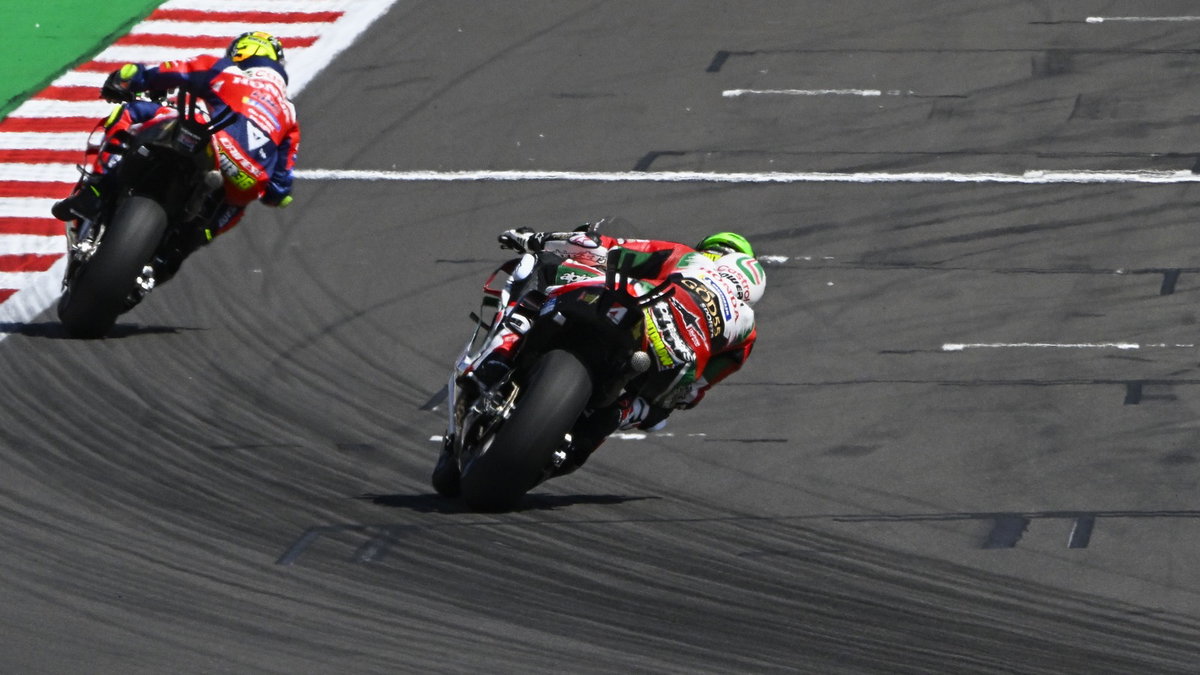
As MotoGP gears up for a major overhaul of its technical regulations in 2027, one of the paddock’s most experienced voices has offered a simple yet compelling suggestion: look to the past to improve the future.
Cal Crutchlow, the former British Grand Prix winner and current test rider for Yamaha, believes that some of the most exciting eras of motorcycle racing were defined by elements that have since been lost in the modern era. His comments come at a time when the series is debating the direction of its next generation of machinery, with a focus on reducing costs, improving safety, and above all, enhancing the spectacle for fans.
The 2027 Rule Changes
The 2027 regulations are set to introduce significant changes, including a reduction in engine capacity from 1000cc to 850cc, as well as restrictions on aerodynamics and ride-height devices. These measures are designed to make the bikes less dependent on electronic aids and more reliant on rider skill, which could lead to closer and more unpredictable racing.
However, Crutchlow’s suggestion goes beyond the technical specifications. He argues that the essence of thrilling racing lies not just in the machinery, but in the way the sport is structured and presented.
A Glimpse into the Past
Crutchlow, who has been a MotoGP rider since 2011 and has stood on the podium in each of the top three classes, has seen firsthand how the sport has evolved. He recalls a time when races were shorter, strategies were simpler, and riders had to manage their tires and fuel more carefully, leading to more overtaking and greater drama.
One of the key elements he points to is the format of the races themselves. In the past, MotoGP races were often run over a shorter distance, which meant that riders could push from start to finish without worrying excessively about tire degradation. This encouraged aggressive riding and more passing maneuvers. In contrast, modern races are longer and more physically demanding, often resulting in a more conservative approach in the early laps as riders save their tires for a late charge.
Crutchlow also highlights the importance of a more human element in the sport. He suggests that reducing the influence of sophisticated electronics and other rider aids could level the playing field, allowing the most talented and courageous riders to shine through.
The Significance of His Comments
Crutchlow’s perspective is particularly relevant because he is not just a retired racer but an active test rider who works closely with Yamaha’s development team. His insights are based on real-world experience with the current bikes and an understanding of the direction the sport is taking.
The 2027 rule changes are the result of years of discussion among manufacturers, teams, and the sport’s governing body, the FIM. The goal is to create a more sustainable and competitive championship, but there is always a risk that the changes could have unintended consequences. By drawing on the lessons of the past, Crutchlow is urging the decision-makers to keep the core appeal of MotoGP—raw, visceral, wheel-to-wheel racing—at the forefront of their minds.
His comments have sparked debate among fans and pundits, with many agreeing that the sport has become too clinical and processional in recent years. Others, however, argue that the modern era has produced some of the greatest races in history, and that any changes should be carefully considered.
What Could Change?
While Crutchlow did not specify exactly which elements of the past he would like to see reintroduced, his general sentiment aligns with calls from other riders for shorter races, fewer electronic aids, and a more raw and unpredictable racing experience.
Some have suggested that bringing back tire warmers, which are set to be banned in 2027, could actually increase safety by ensuring riders have more grip from the start. Others have proposed reducing the amount of downforce generated by the aerodynamics, which would make the bikes more difficult to ride and create more opportunities for overtaking.
Whatever the final shape of the 2027 regulations, Crutchlow’s voice adds an important perspective to the conversation. As a rider who has competed at the highest level and now helps develop the machines of the future, he represents a bridge between the sport’s rich heritage and its promising future.
Conclusion
Cal Crutchlow’s call to look back at the past is a reminder that progress does not always mean moving forward. Sometimes, the best way to improve is to rediscover what made the sport great in the first place. As MotoGP prepares for its next era, his words could prove to be a valuable guide for those shaping the rules.
For fans, the hope is that the 2027 changes will deliver the kind of racing that keeps them on the edge of their seats, with battles that go down to the wire and heroes who are defined by their bravery and skill. If Crutchlow’s advice is heeded, that hope may well become a reality.


