

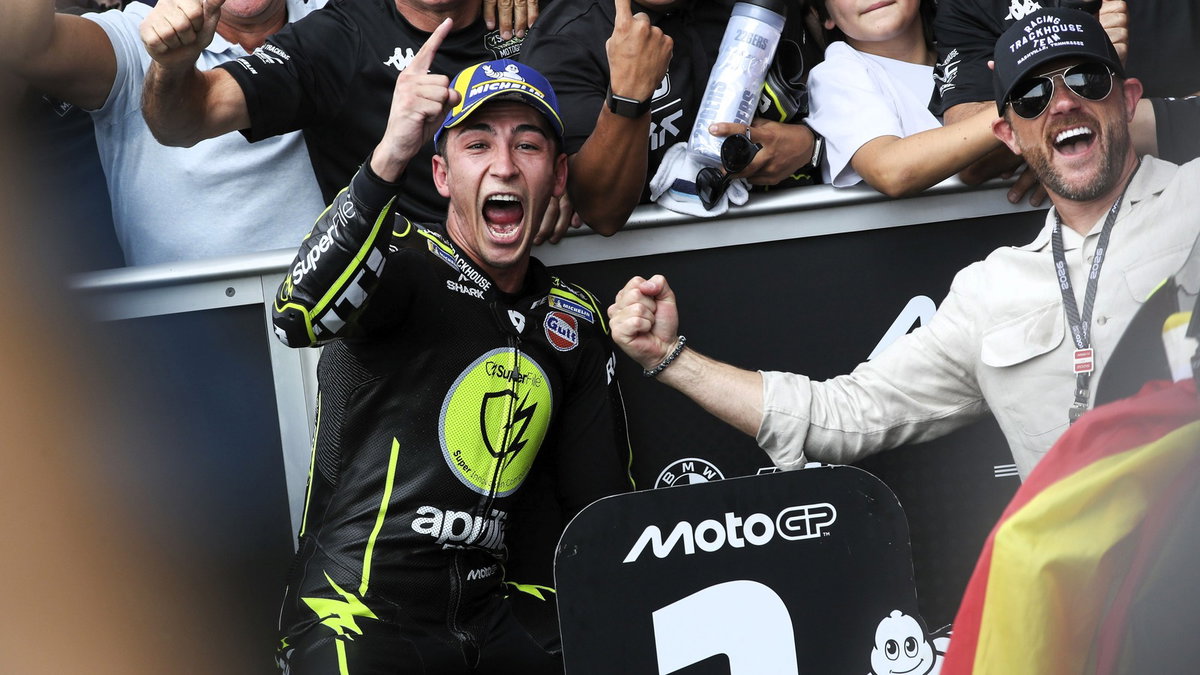
In the high-octane world of MotoGP, where every millisecond counts and podiums are the currency of success, it’s rare to hear a team owner downplay the importance of victories. But Trackhouse Racing’s Justin Marks has done exactly that, offering a refreshingly philosophical take on what constitutes success in the premier class of motorcycle racing.
Speaking ahead of the upcoming round, Marks explained that for his American-based team, wins are not the primary key performance indicator (KPI). Instead, the focus is on the process—the daily grind of development, rider feedback, and incremental improvements that ultimately shape a team’s trajectory. Strong results, he argues, are merely a by-product of doing the fundamentals right.
Defining Success Beyond the Podium
Trackhouse, which entered MotoGP in 2024 after a successful stint in NASCAR, has quickly established itself as a competitive midfield outfit. With riders like Miguel Oliveira and Raul Fernandez, the team has shown flashes of pace but has yet to challenge for regular podiums. In an environment where factory teams and seasoned satellite squads dominate, Marks’ approach is both pragmatic and forward-thinking.
“There are too many variables in MotoGP to judge success purely on wins,” Marks said. “The bike, the tires, the track conditions, the competition—all of it plays a role. What we can control is our approach: how we prepare, how we develop, how we support our riders. If we get that right, the results will come.”
This philosophy is not new to Marks, who applied a similar mindset when he founded Trackhouse in NASCAR. In stock car racing, his team quickly rose from obscurity to race wins and playoff contention by prioritizing culture and data-driven decisions. Now, he’s applying the same blueprint to two wheels.
The Complexity of MotoGP
MotoGP is arguably one of the most technologically demanding motorsport series in the world. With prototype machinery, sophisticated electronics, and a tire war that can make or break a weekend, the margin for error is razor-thin. Unlike series where a single dominant team can sweep the season, MotoGP’s grid is packed with talent, and any of a dozen riders can win on any given Sunday.
For a satellite team like Trackhouse, the challenge is even greater. They rely on Aprilia’s factory machinery, but they must develop their own setups and strategies. The gap to the factory team is often measured in tenths of a second, but closing that gap requires relentless effort and a long-term vision.
Marks’ comments echo a growing sentiment in the paddock that short-term results are less important than sustainable growth. Teams like Pramac Racing and Gresini have shown that with the right approach, satellite squads can challenge for wins—Pramac’s Jorge Martin won the 2024 title. But those successes were built on years of groundwork, not overnight miracles.
Process Over Outcome
By shifting the focus away from wins, Marks is taking the pressure off his riders and mechanics. Instead of obsessing over championship points, the team can concentrate on improving its weak points—whether that’s qualifying pace, race starts, or tire management. This holistic approach is designed to build a foundation that will pay dividends in the years to come.
“We’re building something here,” Marks added. “It’s not just about this season or the next. It’s about creating a culture where everyone feels empowered to do their best work. When that happens, the results will take care of themselves.”
Trackhouse’s progress has been steady. In their debut season, they scored points regularly and even challenged for top-10 finishes. This year, they’ve continued to improve, with Oliveira finishing in the top five on several occasions. While they haven’t yet stood on the podium, the signs are encouraging.
A Broader Perspective
Marks’ comments also reflect a broader shift in how motorsport teams measure success. In an era of cost caps and sustainability, long-term planning is becoming as important as immediate glory. Teams that invest in their people and processes are often the ones that survive and thrive when regulations change or fortunes fluctuate.
For fans, it might be disappointing to hear a team owner say wins aren’t the goal. But in reality, Marks is being honest about the competitive landscape. MotoGP is a sport where a single mistake can cost you a race, and even the best teams go through lean patches. By focusing on what they can control, Trackhouse is positioning itself for a future that could include regular podiums and, eventually, wins.
As the season progresses, all eyes will be on Trackhouse to see if their process-driven approach yields tangible results. If history is any guide, it’s only a matter of time before the by-product of their good work becomes a trophy in the cabinet.


