In the fast-paced world of Formula 1, development races are often as crucial as the on-track battles. For Mercedes, the 2026 season has been a testament to that, but not without its unique challenges. Technical director James Allison has shed light on how the team’s decision to keep developing its car late has put it ‘out of phase’ with the rest of the grid, leading to a fascinating leapfrog effect as teams bring in-season upgrades.
A Strategic Divergence
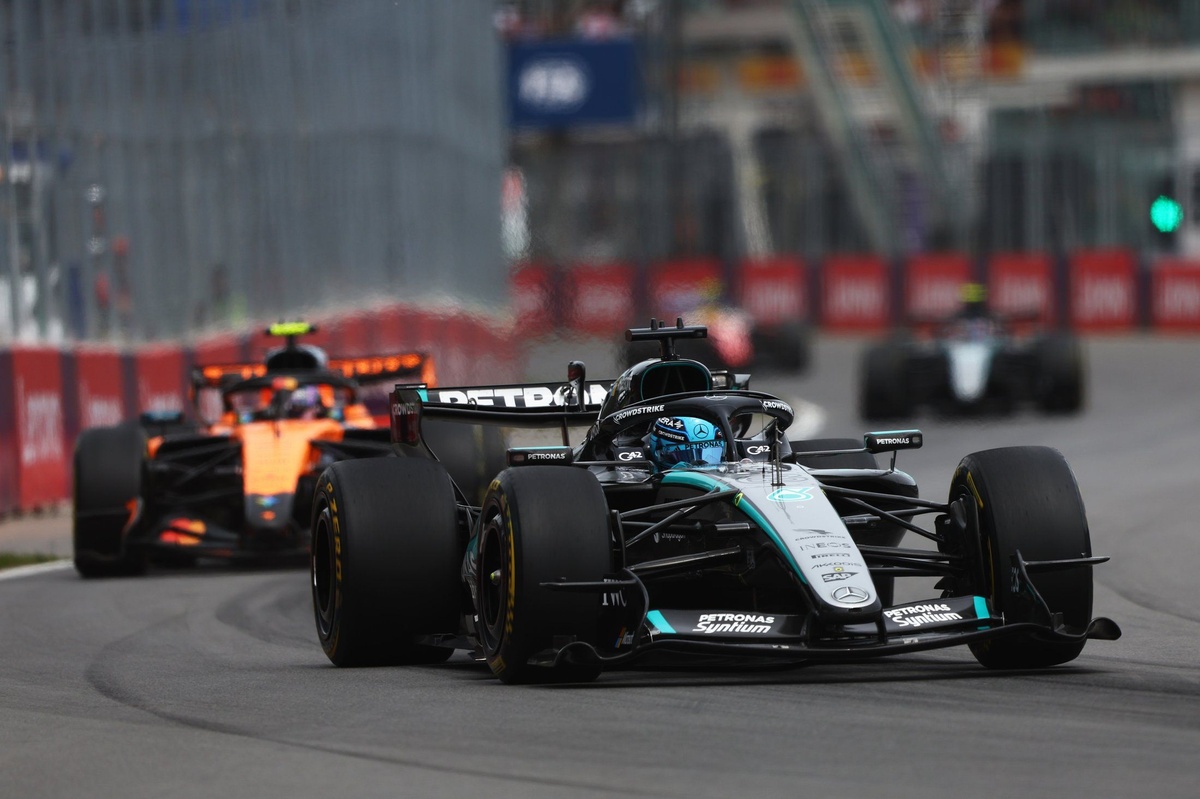
Mercedes’ W17 has been the class of the field so far, storming to a 1-2 finish in Australia and racking up eight wins in the opening races. Yet, according to Allison, the team’s development path has diverged from the norm. While most teams typically shift focus to the next season’s car early, Mercedes chose to extend development on the current machine, a decision that has created a unique dynamic.
“We are out of phase with the other teams,” Allison explained. “They are already deep into their 2027 programmes, while we are still pushing hard on the W17. This means that when they bring upgrades, they are often significant leaps forward, because they are applying lessons learned from their future projects to the current car.”
The Leapfrog Effect
This out-of-phase approach has produced a peculiar pattern in performance swings. As rivals introduce substantial upgrades, they can momentarily leap ahead of Mercedes. But then, Mercedes responds with its own developments, which are also sizable, and the cycle repeats. Allison describes the situation as “scary” because the performance deltas between teams have been larger than usual, making the competitive order more volatile.
“It’s scary to see how much performance some teams have found with their updates,” Allison said. “But it’s also exciting because it keeps everyone on their toes. We have to be sharp in our responses, and we have been so far.”
Why the Late Push?
Mercedes’ decision to keep developing the W17 late is rooted in the significant regulation changes coming in 2026. With new technical rules on the horizon, the team believes that lessons learned from the current car will directly benefit its future challenger. By extending the development cycle, they aim to maximize their understanding of the current generation of cars, which will inform their 2027 design.
“The 2026 regulations are a big reset, but the knowledge we gain from the W17 is invaluable,” Allison noted. “We are using this season as a learning platform, and the fact that we are winning races while doing that is a bonus.”
Implications for the Championship
This strategy carries risks. If Mercedes’ rivals hit the ground running with their 2027 cars, the team could find itself playing catch-up. However, the early success of the W17 suggests that the approach is paying off. The team leads both championships, and the out-of-phase development has not hindered their performance so far.
For fans, this has made the 2026 season one of the most unpredictable in recent memory. Race weekends have seen teams leapfrog each other in the order, with upgrades sometimes worth half a second or more. It’s a stark contrast to years when development was more linear and predictable.
Looking Ahead
As the season progresses, the question is whether Mercedes can maintain its edge. The team’s rivals are expected to bring more upgrades, and the leapfrog effect will likely continue. But Allison remains confident in his team’s ability to respond.
“We have a great group of people back at the factory, and we are committed to this path,” he said. “It might be scary at times, but it’s also a lot of fun. We are in a fight, and that’s what Formula 1 is all about.”
The 2026 season is shaping up to be a classic, with Mercedes’ out-of-phase strategy adding an extra layer of intrigue. Whether it ultimately proves to be a masterstroke or a misstep remains to be seen, but one thing is certain: the development race is far from over.