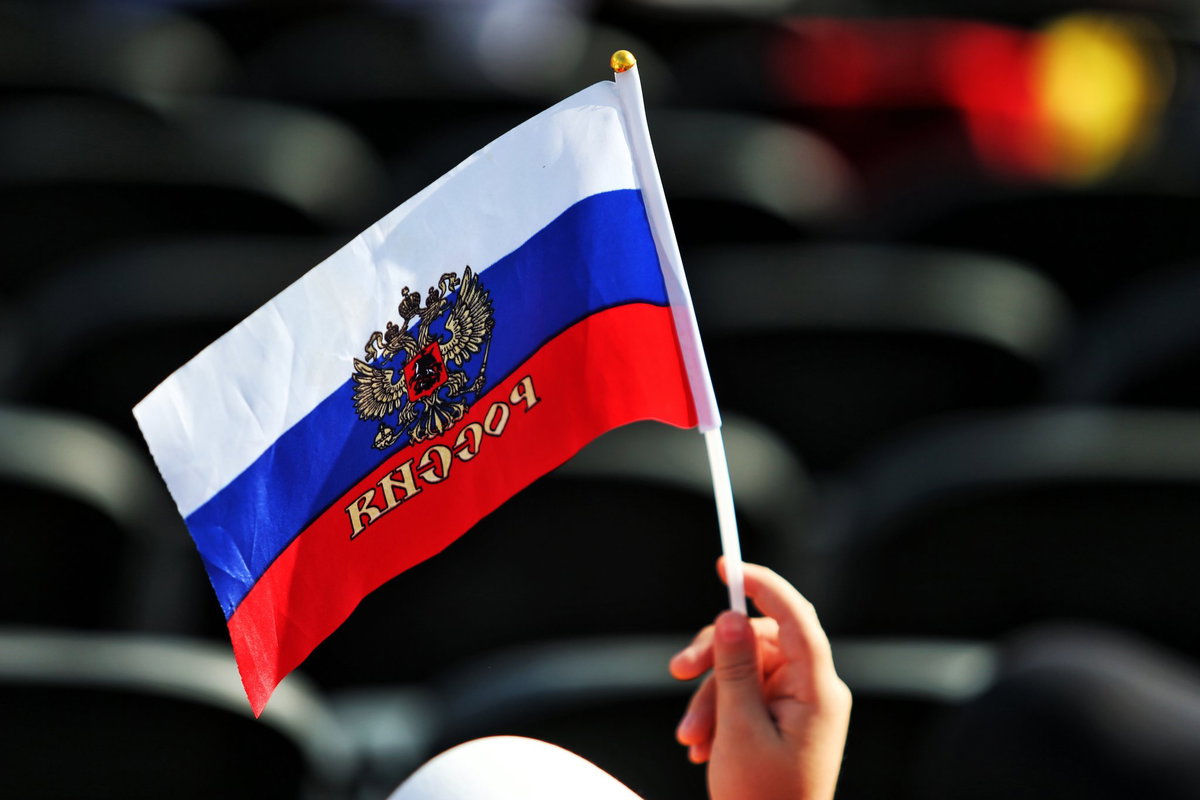
In a significant policy shift, the Fédération Internationale de l’Automobile (FIA) has announced that Russian drivers will once again be permitted to compete under their national flag. The decision, made public today, reverses a ban that has been in place since early 2022, when the FIA, along with many other sports governing bodies, imposed restrictions on Russian and Belarusian athletes following the invasion of Ukraine.
Background of the Ban
The initial ban was a response to geopolitical events, with the FIA stating that it would not allow Russian or Belarusian competitors to take part in international events under their own flags. Instead, they were required to compete as neutral athletes, using the FIA’s flag and anthem. This policy applied across all FIA-sanctioned championships, including Formula 1, the World Endurance Championship (WEC), and various rally series.
During the ban, Russian drivers like Daniil Kvyat and Robert Shwartzman, who were active in various categories, had to navigate the complex rules. In Formula 1, the ban meant that no Russian driver could represent their nation, and the Russian Grand Prix was removed from the calendar. The ban also affected teams with Russian backing, such as the Haas F1 Team, which terminated its title sponsorship with Uralkali and dropped Nikita Mazepin from its lineup.
The New Decision
The FIA’s latest ruling, announced without prior public discussion, allows Russian athletes to compete under their own flag once more. This marks a complete reversal of the previous stance. The decision was reportedly made during an FIA World Motor Sport Council meeting, where members voted to lift the restrictions. The FIA has not yet issued a detailed statement explaining the rationale, but insiders suggest that the move is aimed at reducing political interference in sport, a principle the FIA has long championed.
This change will have immediate implications across all FIA-regulated series. In Formula 1, should a Russian driver secure a seat, they would be able to display the Russian flag on their car and helmet, and the Russian anthem would be played should they win a race. Similarly, in WEC and rally events, Russian competitors will be able to represent their country openly.
Reactions and Implications
The decision has been met with mixed reactions. Some within the motorsport community have welcomed the move, arguing that sport should remain separate from politics. Others, however, have expressed concern, pointing out that the ban was a symbolic stand against aggression, and lifting it could be seen as legitimizing the actions that led to the ban in the first place.
Several national motorsport federations have already voiced their opinions. The Ukrainian motorsport federation has strongly condemned the decision, calling it a betrayal of the principles of fairness and solidarity. In contrast, the Russian Automobile Federation has expressed gratitude, stating that it looks forward to welcoming Russian drivers back under their own flag.
The FIA’s decision may also have a domino effect on other motorsport bodies. While the FIA governs many international series, other championships like MotoGP, which is run by Dorna Sports, and NASCAR, which operates independently, have their own policies. It remains to be seen whether they will follow suit or maintain their existing restrictions.
Looking Ahead
For Russian drivers, this is a moment of opportunity. Several talented drivers have been waiting in the wings, unable to fully showcase their nationality on the global stage. The lifting of the ban could open doors for them to return to top-level competition with pride.
However, the practical impact may be limited in the short term. Many Russian drivers have already moved on to other careers or are racing under neutral flags in series that still enforce restrictions. The decision will also need to be implemented across various national sporting authorities, which could take time.
As the motorsport world digests this news, the debate over the role of politics in sport is likely to intensify. The FIA’s move is a bold statement, one that will be scrutinized by fans, teams, and governments alike. Whether it leads to a broader normalization of Russian participation in international sport remains to be seen.
In the coming weeks, we can expect further clarification from the FIA on the technical and administrative details of the decision. For now, the message is clear: Russian athletes are welcome back under their own flag.