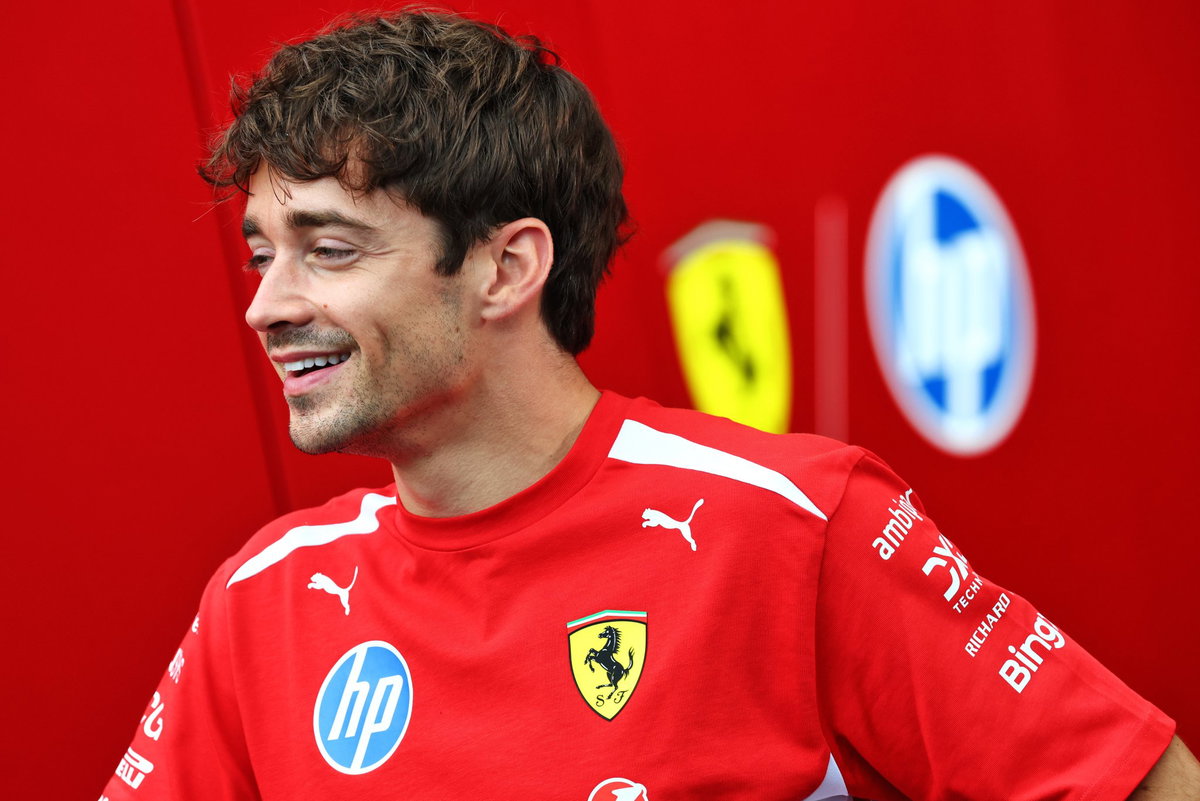
As Formula 1 gears up for a radical technical overhaul in 2026, the paddock has been buzzing with complaints. Drivers have grumbled about heavier cars, complicated aerodynamics, and the unpredictable handling of the new-generation machines. Yet amid the chorus of criticism, one voice stands out for its measured tone: Charles Leclerc.
The Ferrari driver has been notably restrained in his assessment of the 2026 regulations, which introduce a completely new power unit formula and a significant shift in aerodynamic philosophy. While others have called the cars “difficult” and “unpredictable,” Leclerc has chosen to reserve judgment, insisting that early impressions are not the whole story.
A Different Approach
Leclerc’s open-mindedness is refreshing in a sport where drivers are often quick to label new machinery. He acknowledges that the 2026 cars will present challenges, but he sees those challenges as opportunities rather than obstacles. “I’m not going to complain before I’ve even driven the final version,” he said during a recent media session. “There’s a lot of development still to come, and teams will find solutions. It’s too early to say whether these cars will be good or bad.”
His comments come as teams prepare for the first on-track tests of the new regulations, which are scheduled for later this year. The 2026 rules aim to create closer racing by reducing downforce dependence and introducing active aerodynamics, but many drivers fear the changes will make the cars harder to handle, particularly in high-speed corners.
The Context of Change
The 2026 regulations are the most significant since the hybrid era began in 2014. The new power units will feature a 50/50 split between internal combustion and electrical power, with the electric component playing a much larger role. This shift is expected to alter the way drivers manage energy deployment, adding a new layer of strategy to races.
Additionally, the cars will be lighter and more nimble on the straights but will rely heavily on active aerodynamics to maintain downforce in corners. This dual-mode system, which changes the wing configurations based on speed, has been a point of contention. Some drivers argue that it will make the cars unpredictable, while others see it as a step toward more overtaking.
Leclerc’s perspective is rooted in his belief that adaptability is key. He has consistently shown an ability to extract performance from difficult machinery, as evidenced by his race wins in less-than-competitive Ferraris. His calm demeanor in the face of uncertainty suggests a maturity that could serve him well in the new era.
Team Implications
For Ferrari, Leclerc’s open-mindedness could be a valuable asset. The team has struggled in recent years to match the dominance of Red Bull, and the 2026 regulations offer a clean slate. A driver who can provide clear, unbiased feedback during development will be crucial.
Leclerc’s willingness to wait before passing judgment also gives Ferrari’s engineers breathing room. Instead of reacting to knee-jerk complaints, they can focus on refining the car’s performance. His approach aligns with the team’s long-term strategy, which prioritizes consistency and gradual improvement.
“I’ve always believed that a driver’s job is to adapt to what they’re given,” Leclerc added. “If the car is difficult, we work to make it less difficult. Complaining doesn’t help anyone.”
A Broader Perspective
Leclerc’s stance is not just about his own comfort; it reflects a broader understanding of Formula 1’s evolution. The sport is constantly changing, and those who embrace change tend to thrive. His open-mindedness could also influence other drivers, encouraging a more constructive dialogue about the new rules.
As the 2026 season approaches, the spotlight will be on how the new cars perform in real-world conditions. Leclerc’s willingness to give them a fair chance is a reminder that first impressions are not always final. In a sport defined by innovation, an open mind might be the most valuable tool of all.